
CoCIS_Admin
- Posted on
A Defining Moment for CoCIS: Prof. Tonny Oyana Reflects on Eight Years of Transformation and Leadership
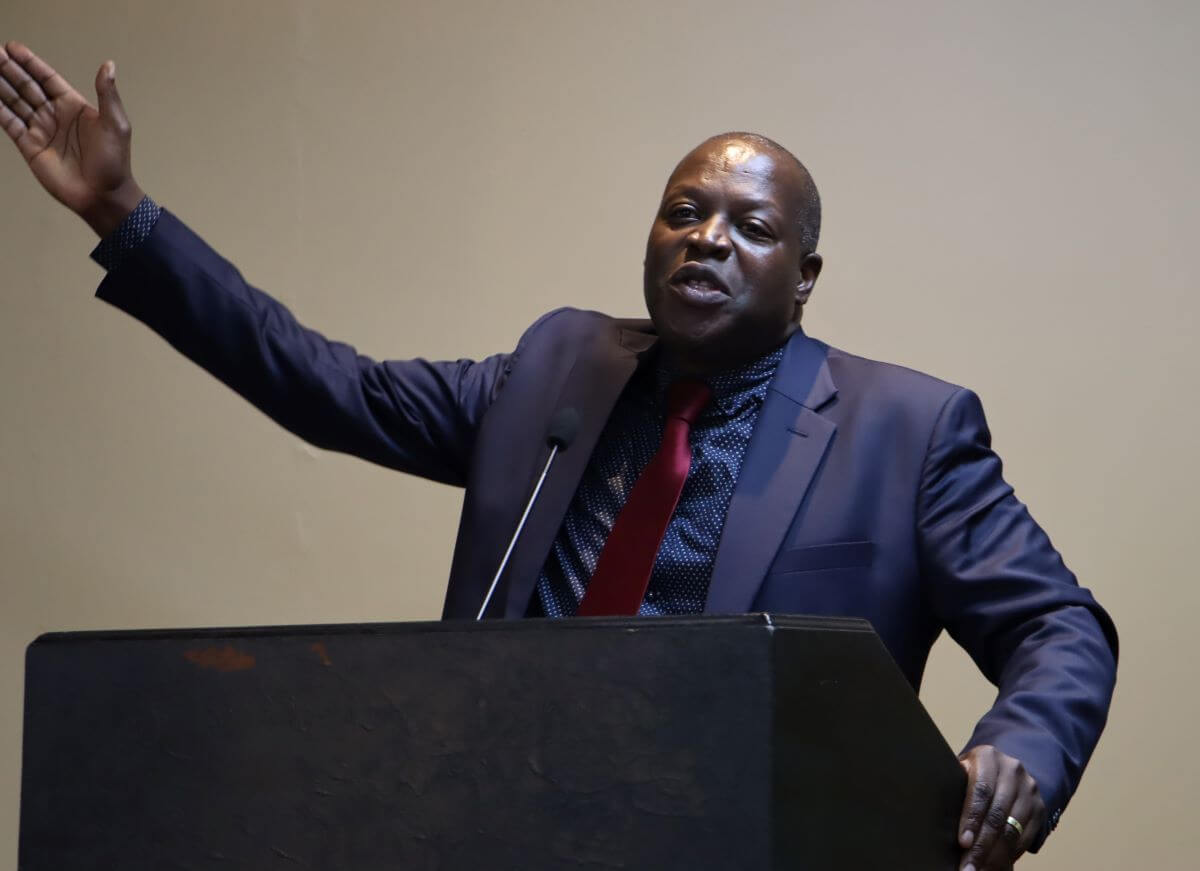
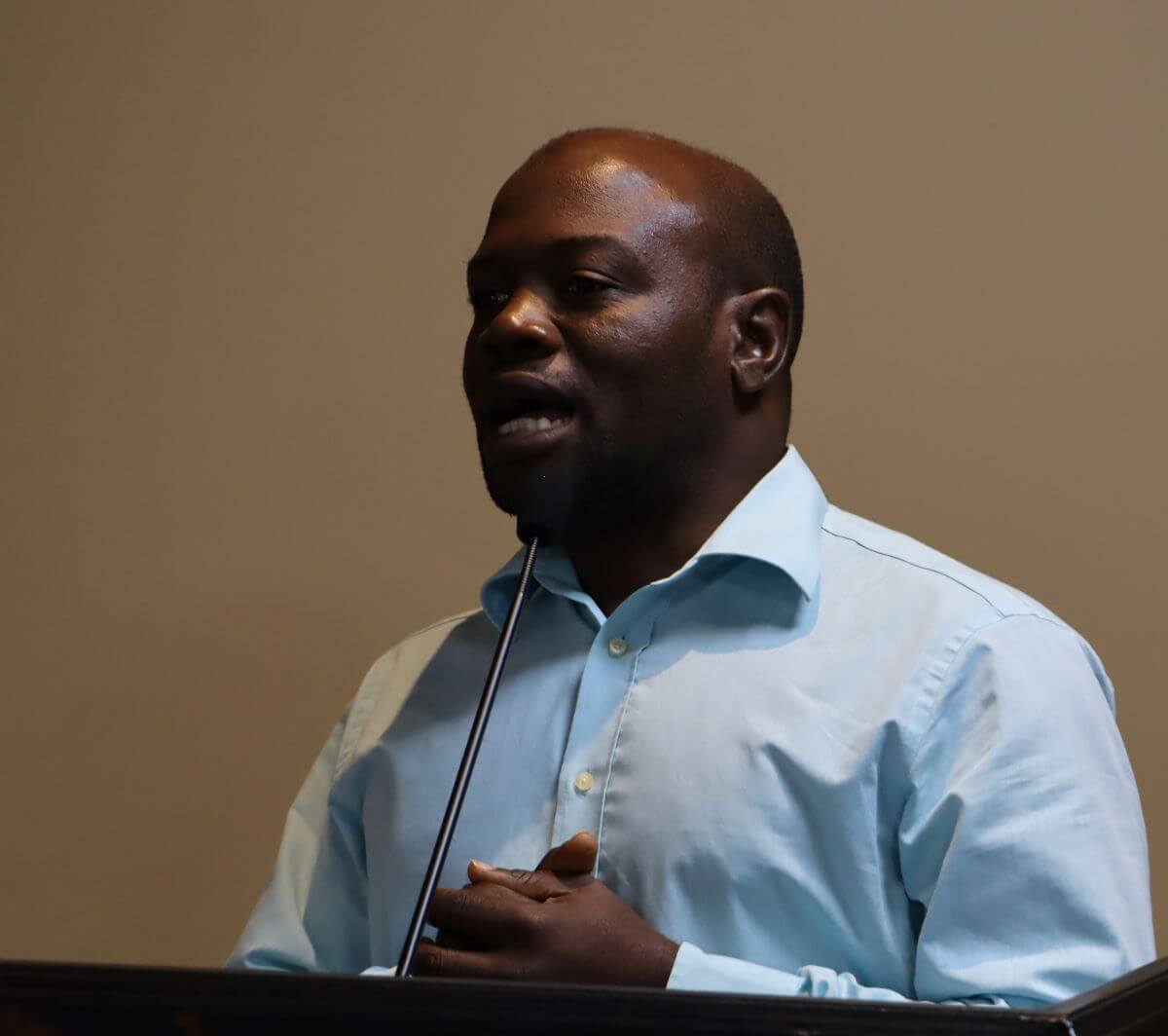
Prof. Tonny Oyana making his opening remarks during the retreat
The atmosphere at Speke Resort Munyonyo was reflective yet celebratory as staff of the College of Computing and Information Sciences (CoCIS), Makerere University, gathered for a retreat on Friday, June 5, 2026. The purpose was to provide the status and progress of the college by the Principal, research status by the school Deans and an update from the Director RISE and the grants office.
The retreat marked more than a routine staff engagement; it served as a defining moment in the college’s history as Prof. Tonny Oyana addressed colleagues for what is expected to be one of his final official engagements as Principal, bringing to a close an impactful eight-year tenure.
Prof. Oyana has served two terms as principal (2017-2025). His second term expired in February 2026 and, was given an extension to June 2026 as the university prepares for a formal handover.
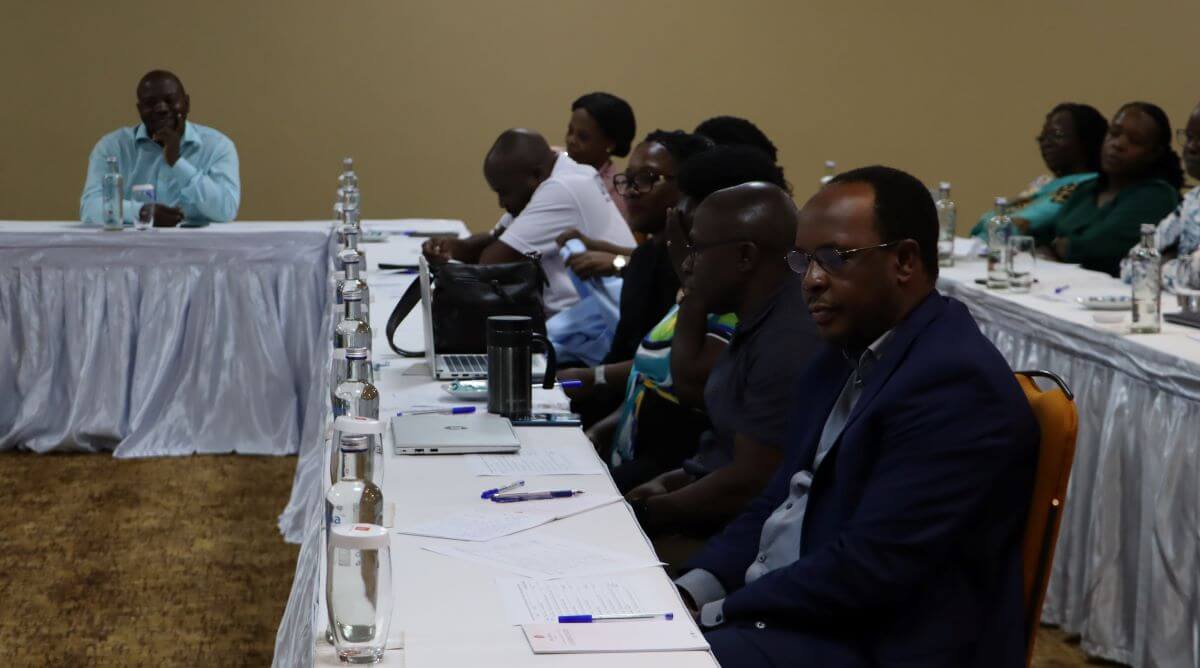
A section of staff attending the meeting
Standing before administrators, deans, heads of department and support staff, Prof. Oyana delivered an insightful and deeply personal reflection on his leadership journey. He recounted the challenges he inherited, the milestones achieved under his stewardship, and the lessons he believes future leaders must embrace to sustain and advance the college’s progress.
From Financial Distress to Financial Stability
Prof. Oyana revealed that when he assumed office in 2017, CoCIS was grappling with significant financial challenges. The college was burdened with domestic arrears amounting to approximately UGX 1.8 billion, creating uncertainty and undermining operational effectiveness.
“I was receiving people coming to be paid. You don’t want to be dealing with a college that is financially weak,” he recalled.
The situation was so daunting that he occasionally questioned whether accepting the appointment had been the right decision. However, rather than retreat from the challenge, he made financial stability his first priority.
Over the years, the college successfully eliminated the arrears and strengthened its financial position. Through strategic resource mobilization and prudent management, the college generated approximately USD 8 million during his tenure and will leave behind nearly USD 7 million in reserves.
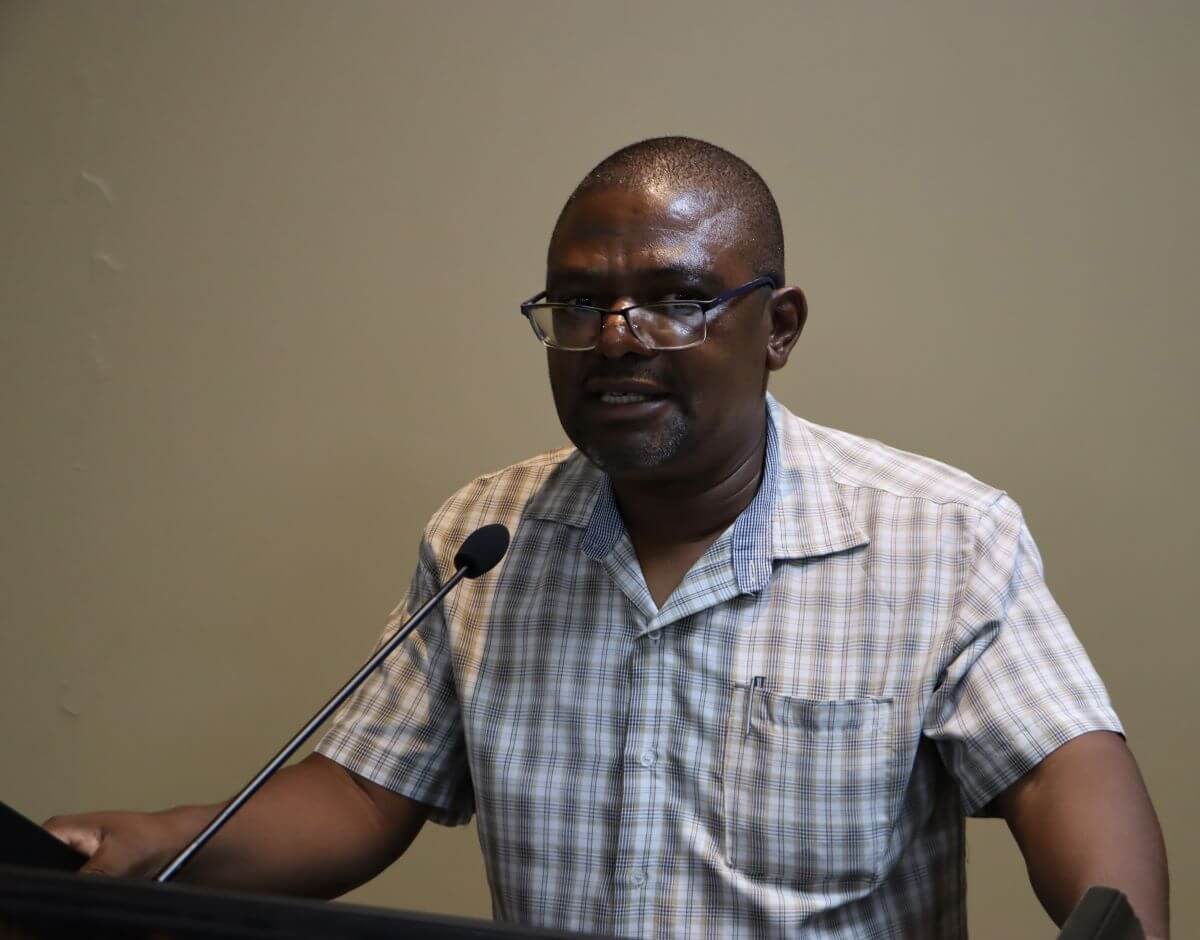
Director RISE seed grant Dr. John Ngubiri presenting the status
He described finance as the foundation upon which every other institutional achievement rests.
“If you don’t keep an eye on finances, you may not be successful. It is at the core of everything,” he emphasized.
Prof. Oyana credited disciplined follow-up and accountability as key ingredients of effective leadership, noting that managers must actively monitor implementation rather than assume that delegated tasks will automatically be completed.
Investing in People
Beyond financial recovery, Prof. Oyana highlighted investment in human capital as one of his proudest achievements.
Throughout his tenure, he deliberately supported junior staff through research, travel and professional development opportunities. He disclosed that approximately UGX 1.5 billion was invested in seed grants and staff development initiatives aimed at nurturing young academics and researchers.
Supporting younger colleagues, he noted, is not merely an act of generosity but a strategic investment in the future of the institution.
“Supporting junior staff is a good investment. People want to be productive. If you don’t support them, they cannot grow,” he said.
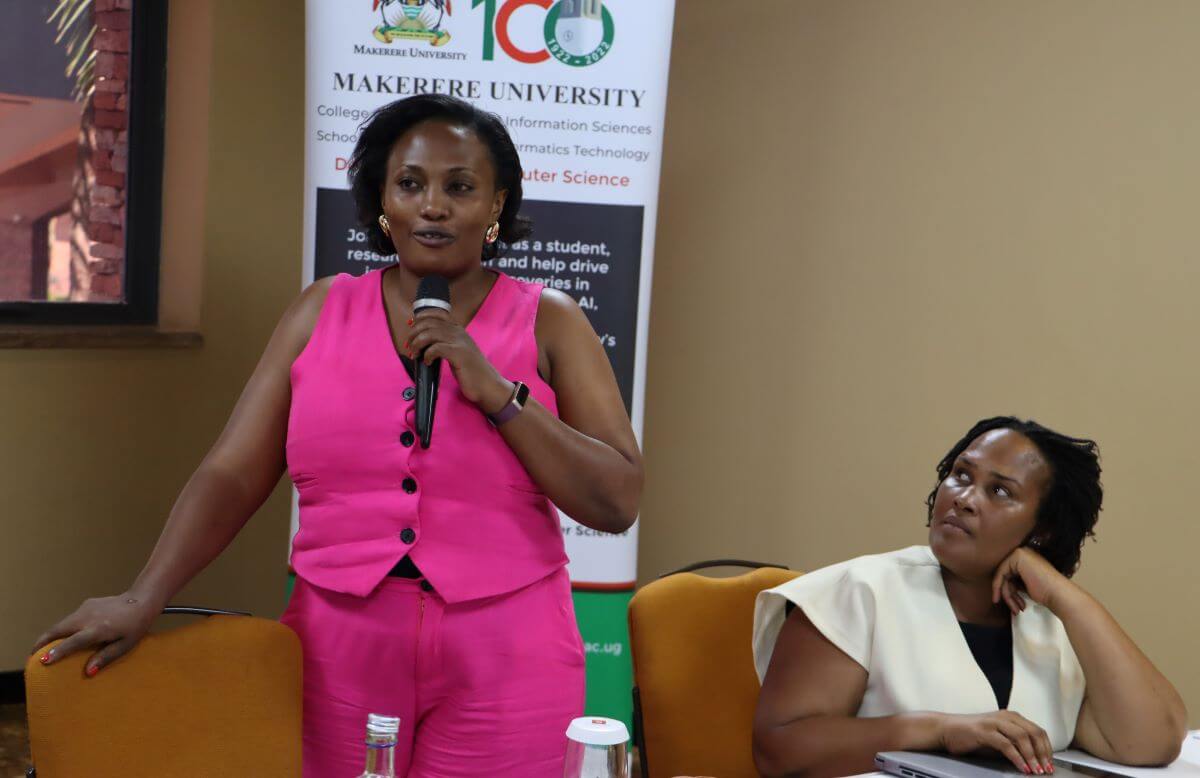
The custodian testified how she was helped
His commitment extended beyond academic staff to support and administrative personnel. He recounted listening to concerns about welfare, recognition and working conditions, and making deliberate efforts to create a more inclusive and equitable environment.
One notable intervention involved ensuring equitable allocation of resources between the college’s schools, fostering a stronger sense of belonging and partnership across academic units.
Four Pillars for Future Leaders
As the position of Principal is expected to be advertised following the conclusion of his term, Prof. Oyana used the occasion to offer practical advice to aspiring candidates.
Drawing from his eight years of experience, he identified four critical areas that any future principal must prioritize, These included financial stability, academic excellence, facilities and infrastructure and human resource development.
He urged future leaders to maintain strong oversight over finances and ensure sustainability.
“Finance is the first core area. Without financial stability, many other goals become difficult to achieve.”
Prof. Oyana stressed the importance of closely monitoring academic processes, particularly student progression and graduation.
He recounted numerous instances where personal follow-up helped resolve issues and prevent administrative oversights.

Head IT and IS Dr. Fiona Penlope Tulinayo and Dr. Agnes Nakakwa attending the meeting
“If you want to be successful as principal, keep an eye on results. Don’t completely delegate academic oversight.”
The outgoing principal emphasized that a conducive learning and working environment is essential for institutional success.
From classroom facilities and sanitation to building maintenance and staff workspaces, he noted that leaders must remain attentive to the seemingly small issues that significantly affect morale and productivity.
He commended staff responsible for facilities management and highlighted improvements made to maintain the college environment.
Prof. Oyana described human resources as the heart of the institution.
He urged future leaders to respect staff, invest in their welfare and professional growth, and foster fairness in resource allocation.
“A human resource must be happy,” he remarked.
Dr. Swaibu Kyanda moderated the meeting
He further stressed the importance of teamwork, mutual respect and creating opportunities for staff development and training.
Beyond professional development, Prof. Oyana stressed the importance of staff welfare in everyday work life. He singled out the college canteen as a vital space that contributes to staff wellbeing, interaction, and team cohesion. He revealed that the facility had faced several attempts to be converted into commercial space, including proposals to turn it into a banking hall, but he consistently defended its existence.
According to Prof. Oyana, the canteen serves a purpose far beyond providing meals. It offers staff an opportunity to interact, exchange ideas, and build relationships in an informal setting.
Defending the facility, he recalled arguing that staff needed a place where they could “go and let out steam.”
“I argued that synergy is good for my staff. When you have a place where staff can go and let out steam, by the time they come to beat you, they don’t beat you hard enough. So you live another day,” he said humorously.
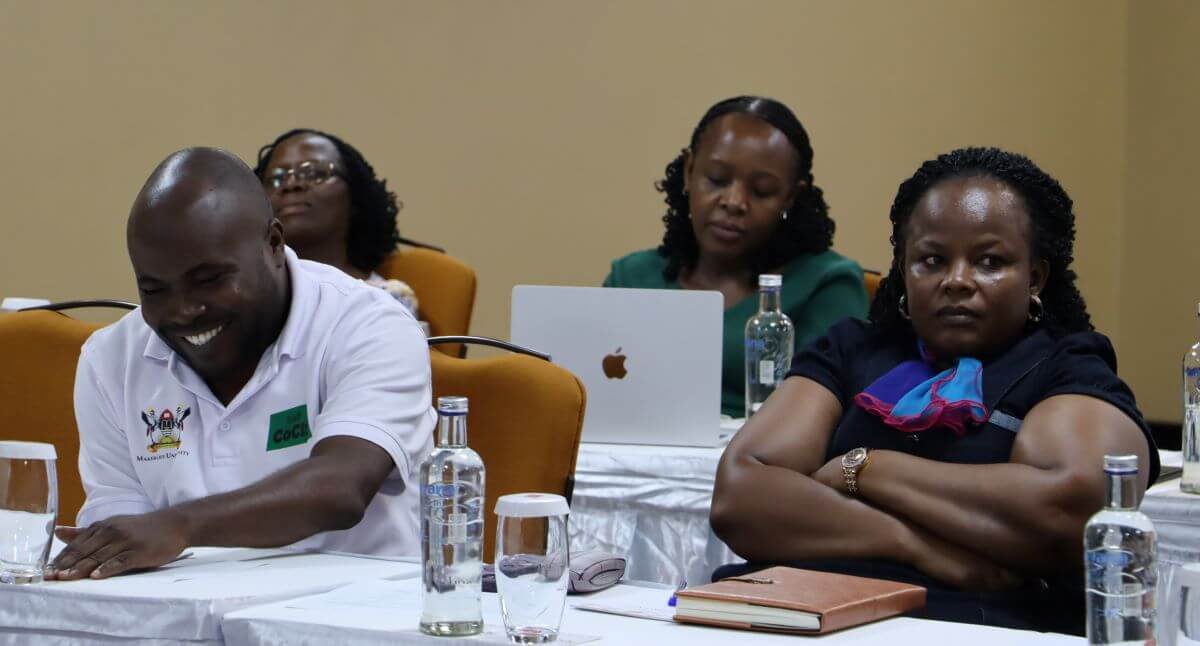
Some of the staff attending the retreat
He noted that such spaces play an important role in fostering collegiality, reducing workplace stress, and strengthening teamwork across the college. For that reason, he urged future leaders to protect staff welfare initiatives and preserve facilities that promote interaction and a sense of community among employees.
Lessons Beyond the Office
While much of his speech focused on institutional leadership, Prof. Oyana also shared deeply personal advice with staff.
He encouraged employees to maintain strong family relationships, nurture their marriages and invest time in personal wellbeing.
Drawing from his own experiences, he urged staff to fully utilize their annual leave rather than viewing it as an unnecessary interruption to work.
“It is good to take annual leave. It is good for your family, but it is also a point of reflection.”
According to him, leave provides opportunities to recharge, strengthen family bonds, reflect on achievements and challenges, and pursue personal growth.
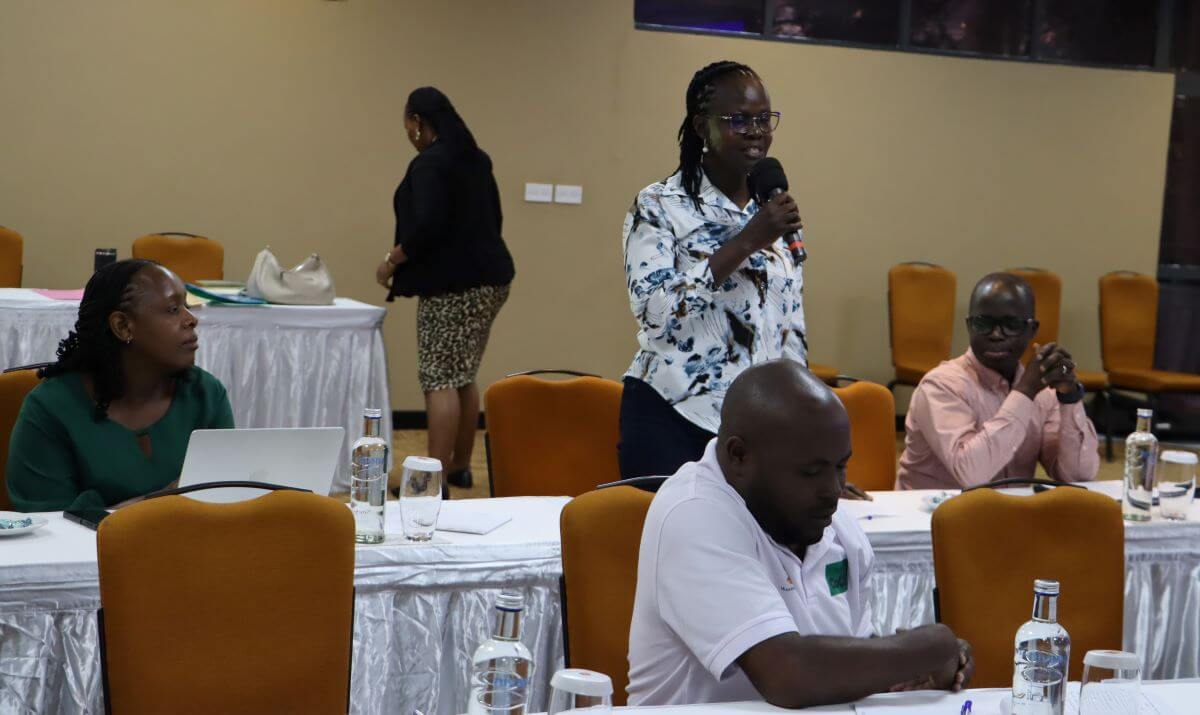
EALIS School registrar Grace Apili contributing during the meeting
Leadership Through Service
Throughout his address, Prof. Oyana repeatedly challenged the perception that leadership is about authority and prestige.
Instead, he described leadership as a demanding responsibility that requires constant engagement, humility and willingness to solve problems.
He narrated numerous examples of personally following up on staff concerns, infrastructure issues, student matters and administrative processes.
“The principal’s job is very hectic. You have to be ready to get your hands dirty,” he said.
His stories illustrated a leadership style grounded in accessibility, responsiveness and practical problem-solving rather than hierarchy.
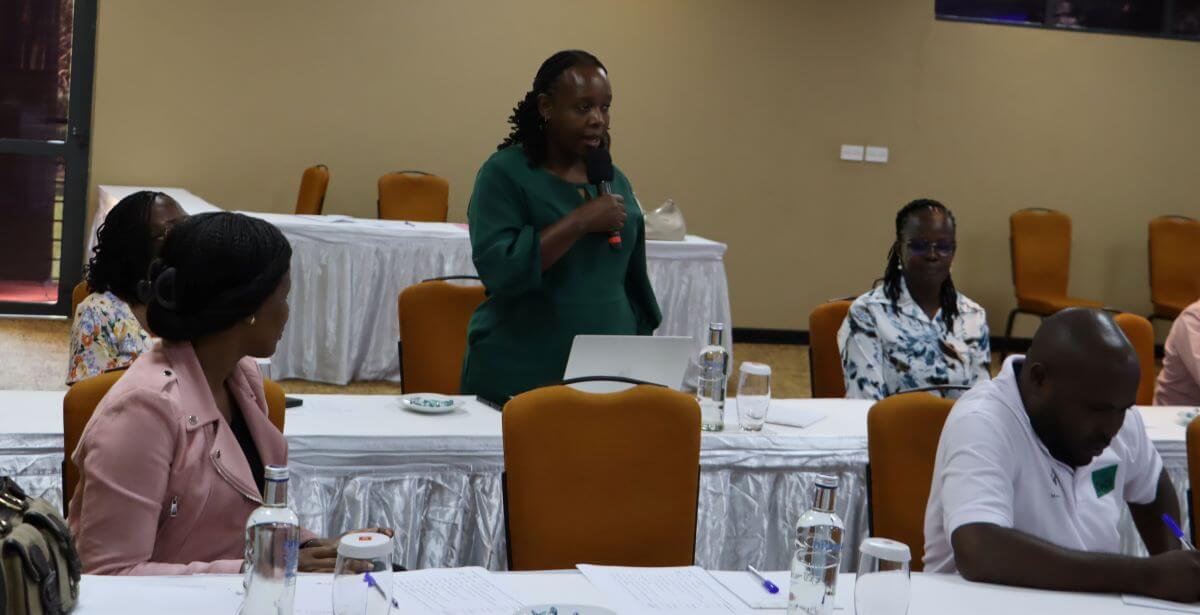
Dr. Marriette Katarahweire, a Computer Science Department staff contributing during the meeting
A Legacy of Transformation
As he reflected on his journey, Prof. Oyana expressed gratitude to colleagues, university management and staff who supported the transformation of CoCIS over the past eight years.
The college he leaves behind is markedly different from the one he inherited. Financially stable, academically stronger, better resourced and increasingly collaborative, CoCIS stands as one of Makerere University’s leading colleges.
While acknowledging that challenges remain, he expressed confidence in the institution’s future and optimism that the next generation of leaders will build upon the foundations established during his tenure.
The retreat therefore became more than a farewell reflection; it was a transfer of institutional wisdom. Through stories, lessons and candid insights, Prof. Oyana offered staff and aspiring leaders a blueprint for sustainable leadership centered on financial discipline, academic excellence, staff welfare and continuous improvement.
As the college prepares for a leadership transition, his message was clear: institutions thrive not because of titles, but because of dedicated people who are willing to serve, follow through on commitments and invest in others.
For CoCIS, the close of Prof. Tonny Oyana’s eight-year tenure represents not merely the end of an era, but a defining moment from which the next chapter of growth and excellence can begin.
Returning to His Family and Research Career
As he prepares to conclude his tenure, Prof. Oyana shared that his departure follows a commitment he made to his family when he accepted the appointment at Makerere University.
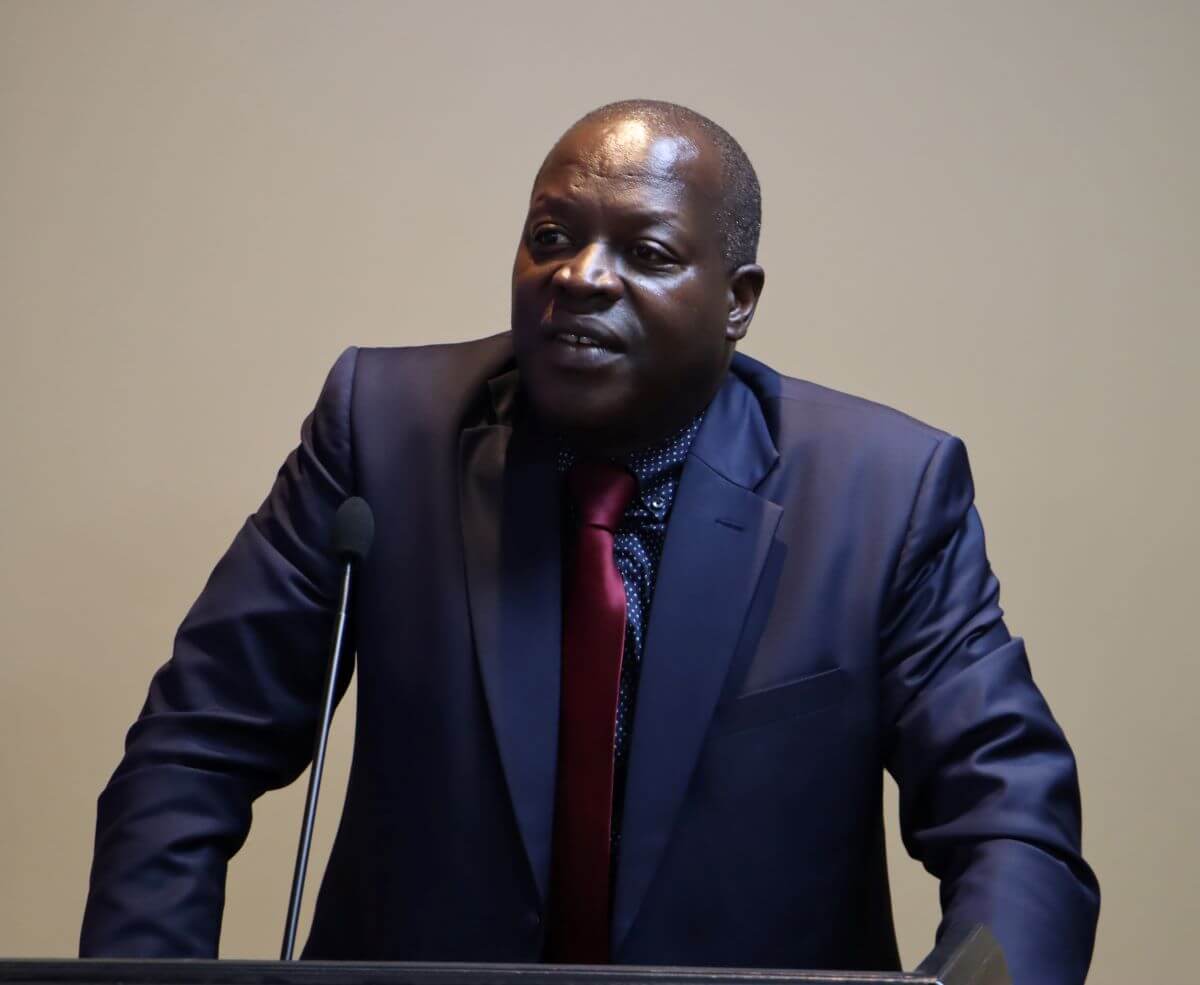
Prof. Tonny Oyana addressing staff
He revealed that before relocating from the United States, he had agreed with his family that he would serve Makerere University for eight years and then return home. With that commitment fulfilled, he is now set to reunite with his family in the United States.
Reflecting on his professional journey, Prof. Oyana noted that much of his academic and research career was built in the United States.
“I was made in the U.S.,” he said, explaining that the country played a significant role in shaping his career as a researcher and academic.
He will return to the United States to continue his research work, having maintained an active research profile throughout his time as Principal. He encouraged staff, particularly academics, to remain productive and continuously build their scholarly records regardless of administrative responsibilities.
Despite the end of his tenure and relocating, Prof. Oyana emphasized that he will remain connected to Makerere University through research and collaboration. During his tenure, he established a research laboratory at the college and indicated that he would periodically return to support ongoing projects, mentor researchers, and strengthen academic partnerships.
His departure therefore marks the end of his leadership role at CoCIS, but not the end of his association with the college and the university community.
Staff Celebrate Prof. Tonny Oyana’s Legacy of Humility, Mentorship and Transformational Leadership
As CoCIS prepares to bid farewell to Prof. Tonny Oyana after eight years of service as Principal, staff members reflected on a leadership journey marked by humility, fairness, mentorship, efficiency, and a deep commitment to people. Colleagues from across the college shared personal testimonies of how Prof. Oyana’s leadership transformed not only the institution but also individual careers and lives. Their reflections painted the picture of a leader who balanced strategic vision with genuine concern for staff welfare, professional growth, and family values.
A Champion of Staff Growth and Opportunity
For many members of staff, Prof. Oyana’s tenure will be remembered for creating opportunities for growth and empowering individuals to realize their potential.
Dr. Fiona Penelope, Head of the Department of Information Technology, noted that the department had greatly benefited from initiatives introduced during his leadership.
“As a department, IT, we have benefited from new efforts. We have grants running and support systems that have enabled us to grow,” she said.
She described Prof. Oyana as a leader whose actions consistently matched his words.
“He doesn’t talk with a double tongue,” she remarked, highlighting his integrity and consistency in decision-making.
Similarly, Dr. Sarah Kaddu, Dean of the School of Library and Information Science (EASLIS), credited Prof. Oyana for fostering unity within the college and building confidence in emerging leaders.
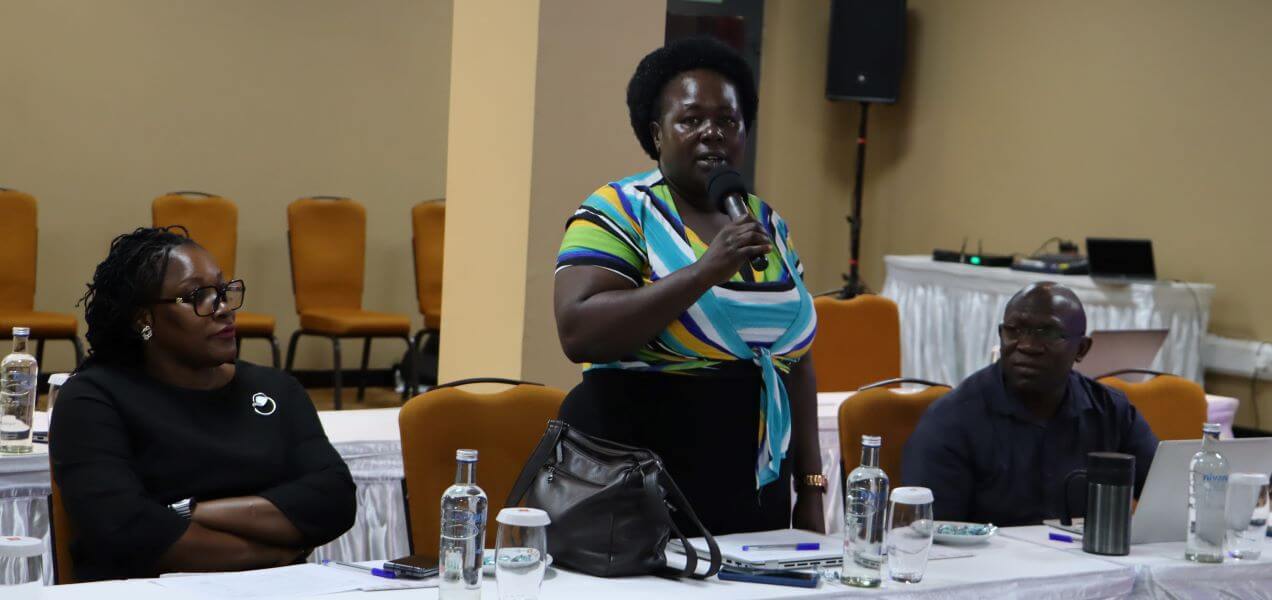
Dean EASLIS Dr, Sarah Kaddu (c) speaking during the retreat
“You did well to bring the two schools together,” she said. “I never thought I would be a leader, but I managed to work with confidence because of your support.”
Her testimony reflected one of the recurring themes throughout the retreat: Prof. Oyana’s ability to identify potential in others and create an environment where they could thrive.
A Culture of Efficiency and Professionalism
Staff also praised the professional culture that developed under his leadership.
Representing the Human Resource Directorate, Julius Lebo commended the college for setting a benchmark in effective management and communication.
“CoCIS has the best meetings,” he observed. “They are short and straight to the point. If it is a Zoom meeting, it is over quickly because people bring relevant issues and discussions remain focused.”
Drawing comparisons with experiences elsewhere in the university, he noted that some meetings drag on late into the night with little progress made.
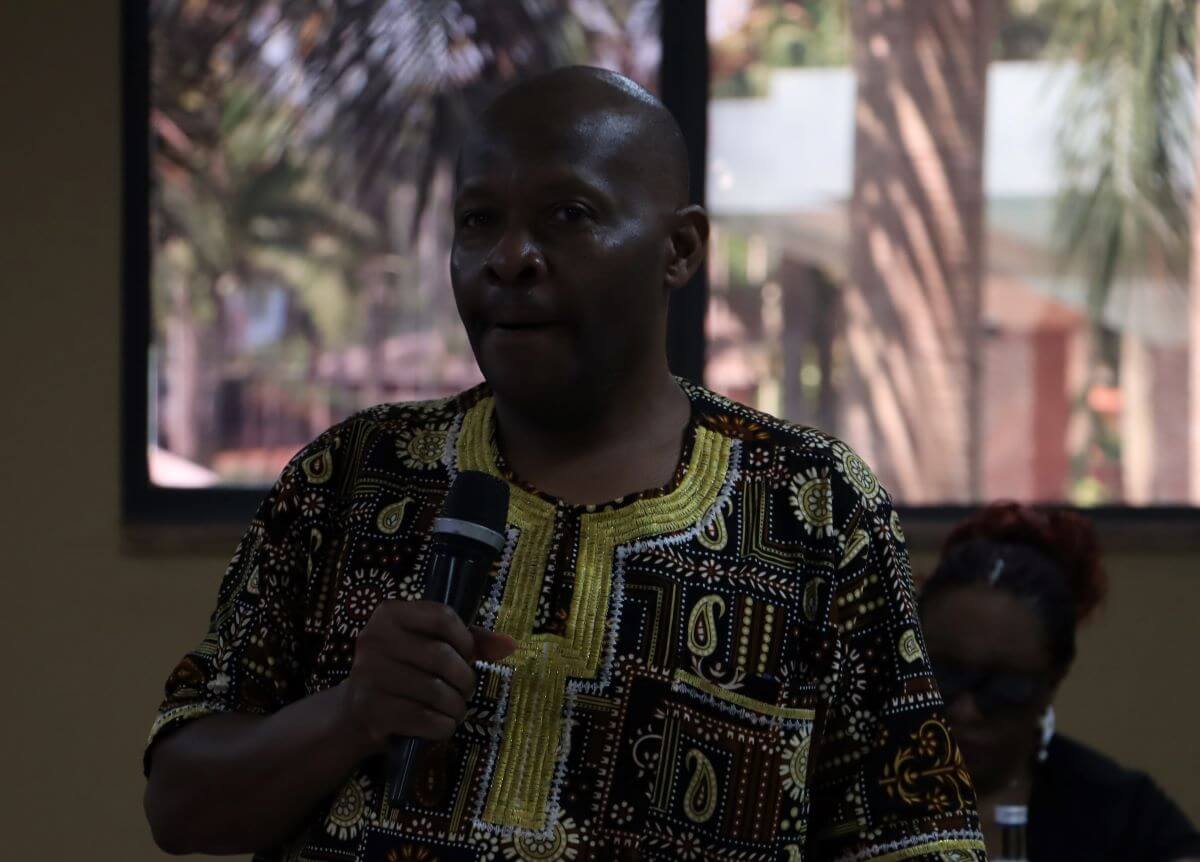
College HR Julius Lebo appreciating the leadership
“You have set the standard,” he told Prof. Oyana. “The culture in CoCIS is good. Please maintain it.”
The remarks underscored one of the leadership principles often emphasized by Prof. Oyana himself: efficiency, accountability, and respect for people’s time.
A Leader Who Recognized Excellence
For Assistant Accountant Michael Hajusi, Prof. Oyana’s greatest strength was his appreciation of quality work and his willingness to recognize staff contributions.
According to Hajusi, the outgoing Principal valued clean, accurate, timely, and well-executed work. He also appreciated his insistence on efficiency in service delivery, particularly in ensuring that students were served promptly rather than being subjected to long queues and delays.
“He doesn’t want students lining up unnecessarily,” Hajusi said.
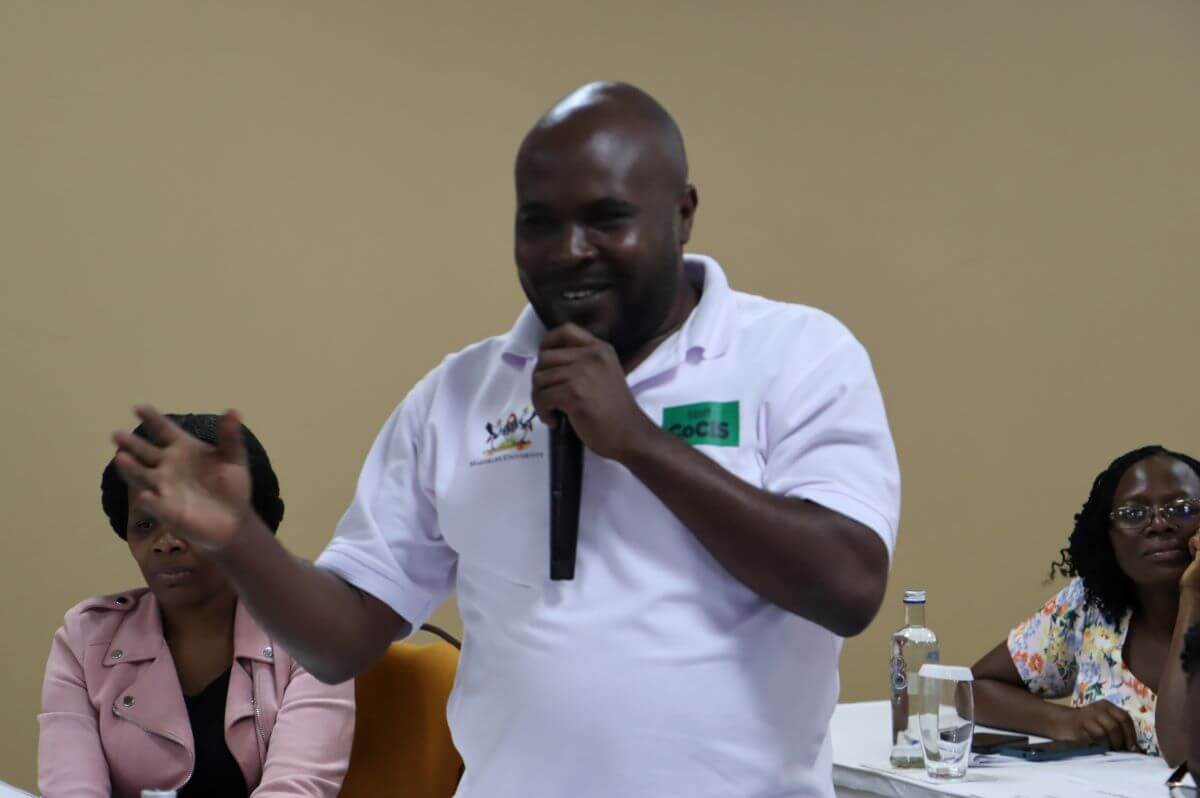
Assistant Accountant Micheal Hajusi speaking about Prof. Oyana
Beyond professional expectations, Hajusi spoke of Prof. Oyana’s personal kindness and support.
After serving for six months without pay, he sought a recommendation letter from the Principal while applying for his current job,.
“I have never received a recommendation like the one Prof. Oyana wrote for me,” he recalled. “When I attached it to my application, whoever read it asked me, ‘What exactly did you do for the Principal?'”
The experience left a lasting impression on him and demonstrated Prof. Oyana’s commitment to supporting staff beyond their immediate responsibilities.
Leadership Rooted in Compassion
Perhaps the most moving testimonies centered on Prof. Oyana’s concern for people during difficult moments.
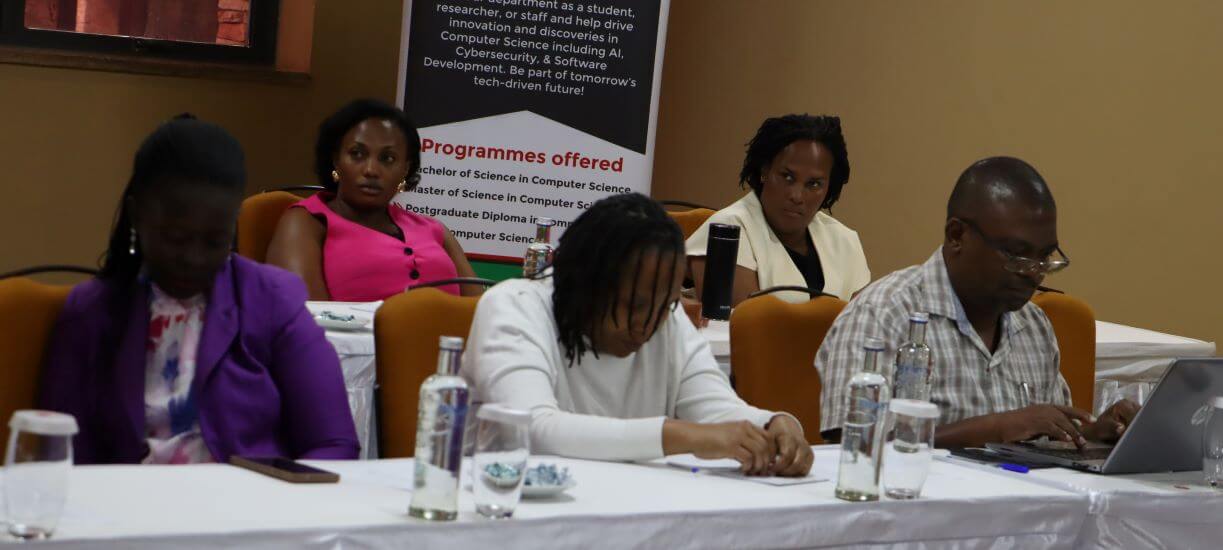
Some of the staff that attended the retreat
Barbara Nalubega, Coordinator of the Centre for Innovations and Professional Skills Development, described him as one of the most humble leader she had ever encountered.
“I have never seen a humble man like Prof. Oyana,” she said.
She recalled how he personally visited a security guard, Munyogoli, when he was hospitalized, demonstrating a level of care that extended beyond official duties.
According to Nalubega, Prof. Oyana consistently stood with staff during times of bereavement and personal hardship.
“When anyone gets a problem, he wants you to go and bury. There is no option,” she said, drawing laughter from colleagues while acknowledging his unwavering support during difficult moments.
The stories highlighted a leader who saw members of the college community not merely as employees but as part of an extended family.
Lessons Beyond the Workplace
For many staff members, Prof. Oyana’s influence extended far beyond administration and academic leadership.
Dora Bampagana, a Grants Officer, described him as an all-round leader whose guidance touched many aspects of life.
“You are generous and you share your life with us,” she said. “We have learnt a lot about interpersonal relationships.”
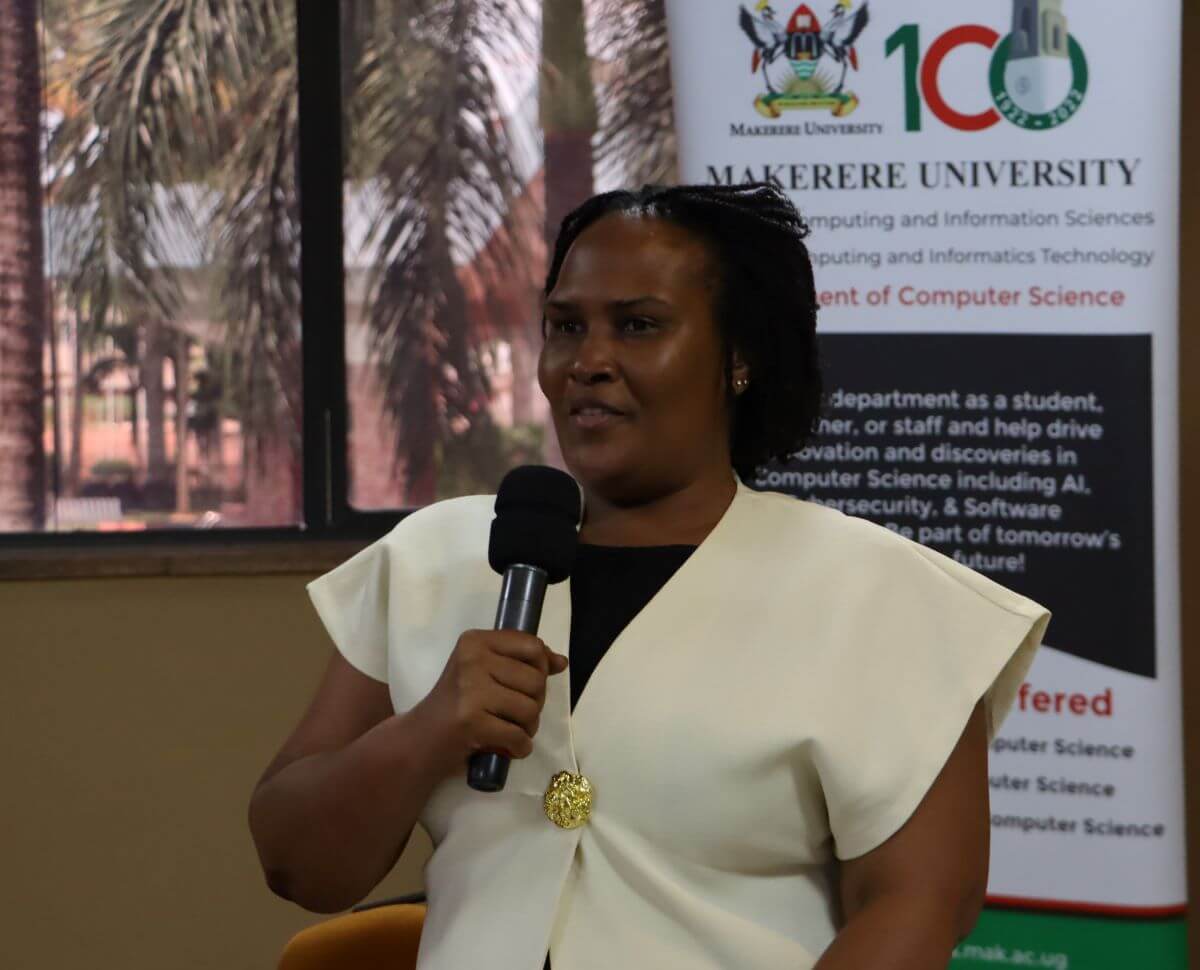
Grants officer Dorah Bampangana speaking during the meeting
She noted that through his conversations and mentorship, staff learned important lessons about marriage, parenting, partnership, and balancing professional responsibilities with family life.
“You taught us how to be good wives, partners, husbands, and parents,” she added.
These sentiments were echoed by Dr. Joseph Balikuddembe, Dean of the School of Computing and Informatics Technology (SCIT), who praised Prof. Oyana for consistently emphasizing the importance of family.
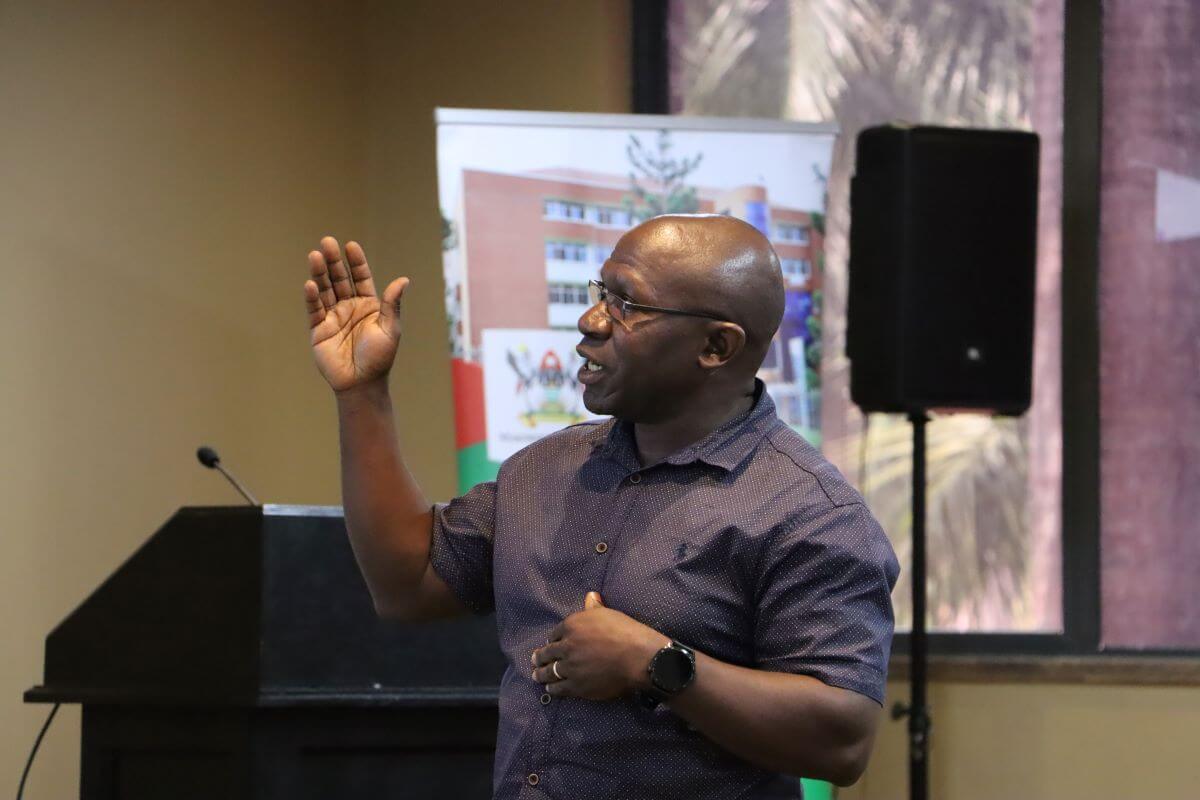
Dean SCIT Dr. Joseph Balikuddembe presented the status of research and training in the school
“You have played your role and many things have been done,” he said. “You have spoken about the power of a family, listening, respecting and making decisions in respect of the family.”
His remarks resonated strongly with Prof. Oyana’s own reflections during the retreat, where he encouraged staff to prioritize their families, maintain healthy relationships, and take time to rest and reconnect with loved ones.
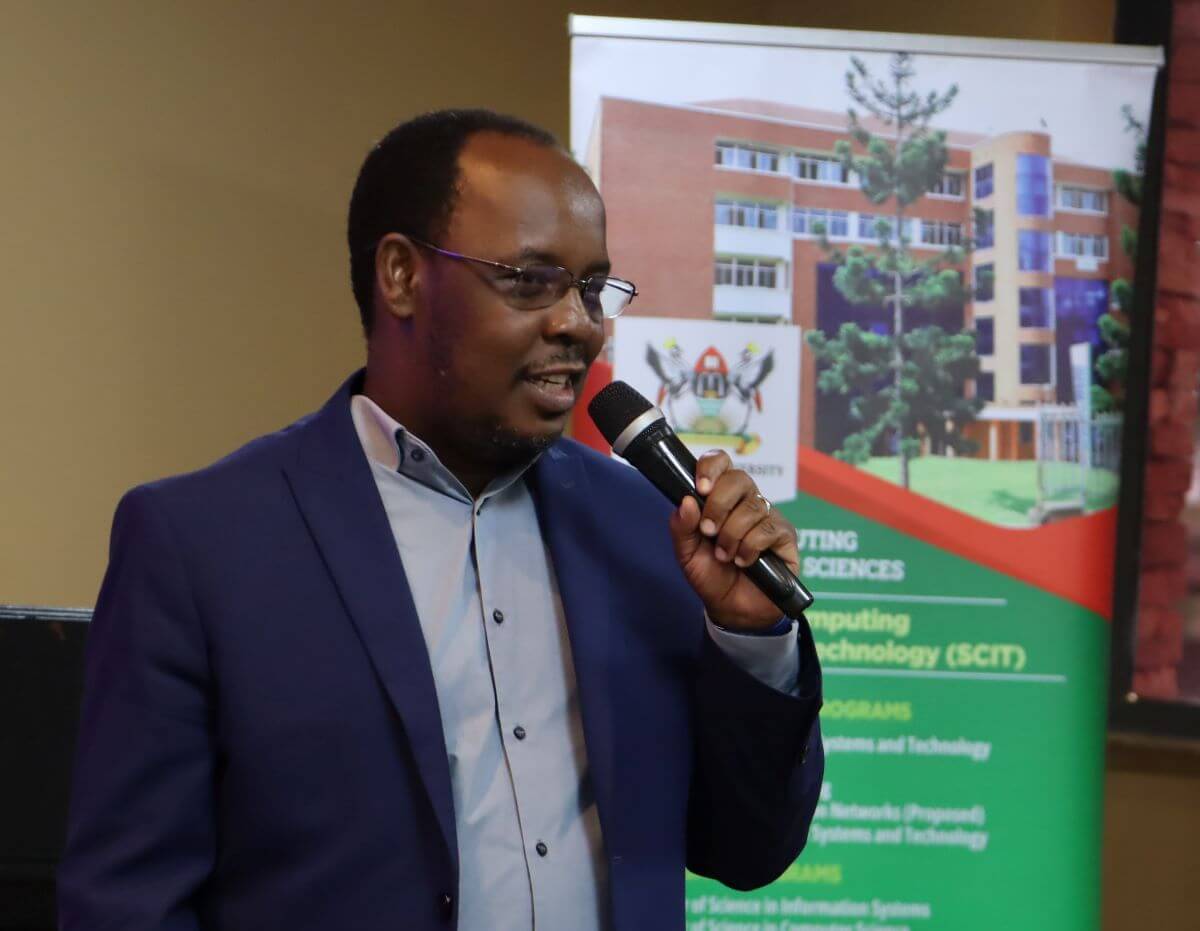
Dr. Peter Nabende Deputy Principal closed the meeting and thanked all staff for their contribution towards all milestones,
A Lasting Legacy
As colleagues reflected on his eight years at the helm of CoCIS, a common theme emerged: Prof. Oyana’s legacy cannot be measured solely through financial stability, infrastructure improvements, research grants, or academic achievements.
Rather, it lies equally in the people he mentored, the confidence he inspired, the opportunities he created, and the culture of professionalism, respect, and compassion he nurtured within the college.
For many staff members, Prof. Oyana was not simply a Principal. He was a mentor, colleague, advocate, and friend whose leadership demonstrated that institutions achieve lasting success when they invest in people.
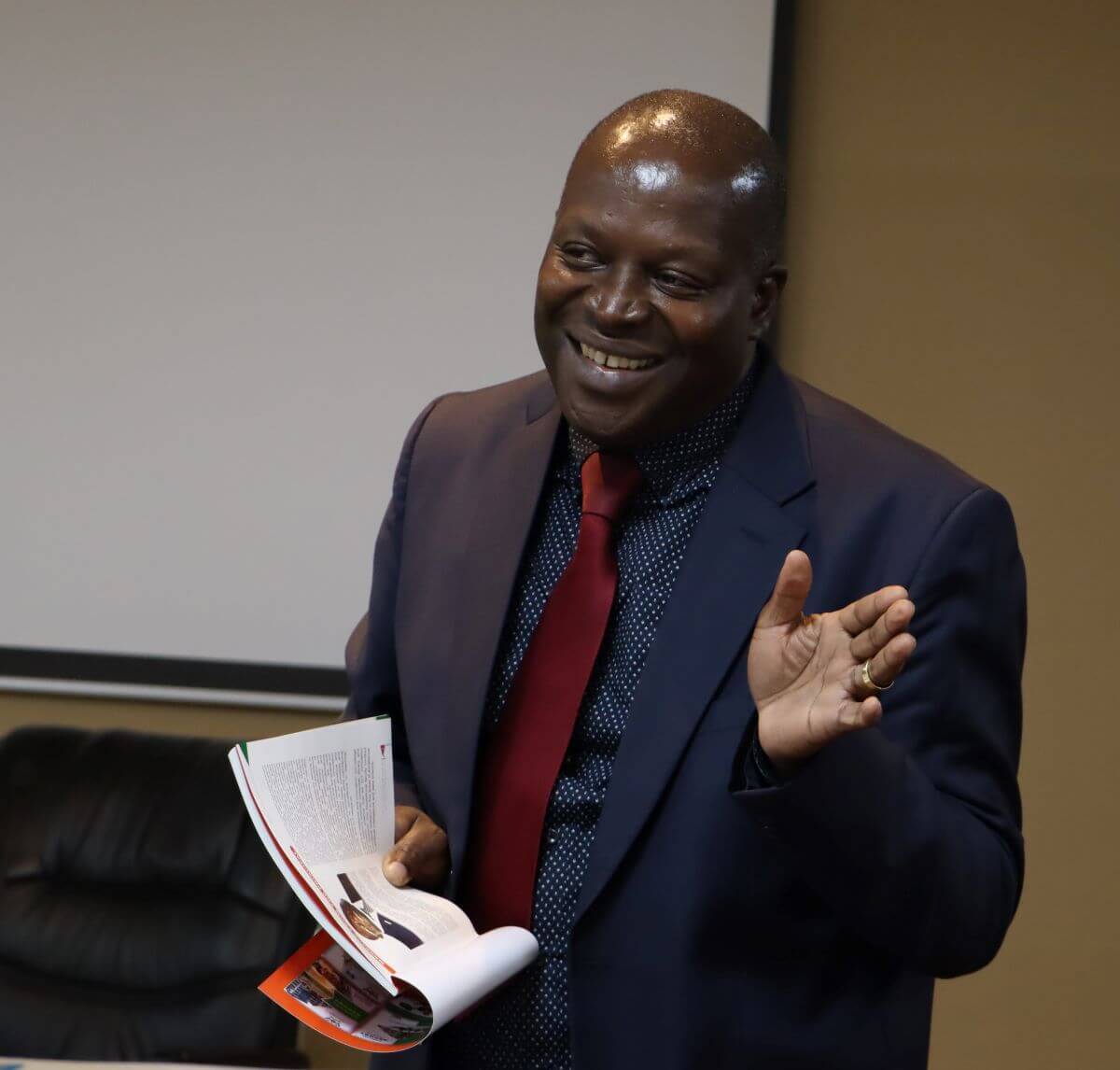
Prof. Oyana advising staff
As he prepares to return to the United States to reunite with his family and continue his research career, the testimonies shared at Munyonyo served as a powerful reminder that his impact on CoCIS will endure long after his tenure comes to an end.
By Jane Anyango
Principal Communication Officer, CoCIS

