
CoCIS_Admin
- Posted on
CoCIS Freshers Urged to Develop AI Solutions for African Challenges

A section of freshers during orientation
First-year students at Makerere University’s College of Computing and Information Sciences (CoCIS) have been challenged to develop artificial intelligence (AI) solutions tailored to Africa’s unique challenges rather than relying solely on existing global AI technologies.
The call was made by the Acting Principal of CoCIS, Dr. Peter Nabende, during the college’s freshers’ orientation held on Wednesday August 6 2026 in the College Big Lab 2, Block B, where hundreds of newly admitted students attended.
Addressing the students, Dr. Nabende said while AI has made significant advances, most existing models are trained primarily on English-language data and are therefore limited in addressing local African languages, cultures and real-world challenges.
“The artificial intelligence we are using right now does very well in the English language because it has been developed using resources represented in English,” he said. “But as computing students of this college, you are at the centre of improving this artificial intelligence to do even better things for yourselves and for the community around you.”

Dr. Peter Nabende, acting Principal CoCIS welcoming the freshers during the orientation
He cautioned students against placing blind trust in AI-generated content, explaining that current AI systems rely on probabilities and predictions rather than genuine reasoning. He urged them to verify information produced by AI tools before using it.
“Artificial intelligence is artificial. It gives you estimates, and whatever it gives you must be verified,” Dr. Nabende said.
Using Luganda as an example, Dr. Nabende noted that many AI systems have limited capabilities in indigenous African languages because of inadequate local language resources. He challenged students to contribute to the development of datasets and applications that reflect African realities.
He also highlighted the need for AI systems that can solve local problems, including transport and traffic management. Unlike countries where autonomous vehicles operate in controlled environments, he said, African roads present unique conditions that AI developers must consider.
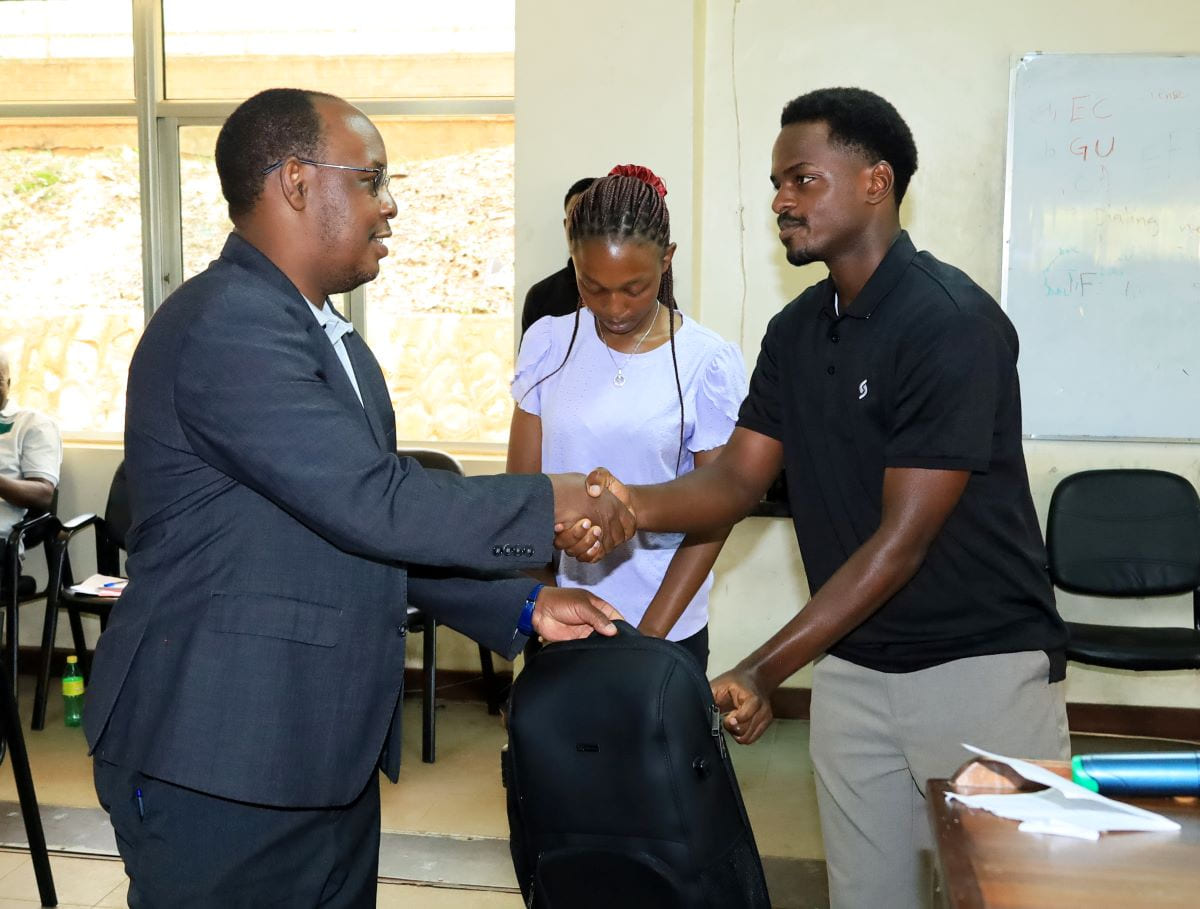
Dr. Peter Nabende handing gifts to the freshers who answered the quiz during orientation
“When you develop your artificial intelligence for here, you must accommodate the cow, the boda boda, the pedestrian and the car using the same road,” he said, emphasizing that African AI solutions should be designed around local contexts rather than copied from developed countries.
Beyond technology, Dr. Nabende encouraged the freshers to embrace hard work, humility, teamwork and ethical leadership throughout their university education.
He expressed confidence that the new students would build on the achievements of previous CoCIS graduates who have distinguished themselves locally and internationally.
“In three or four years from now, we look forward to seeing you graduate not only with academic qualifications but as competent professionals, ethical leaders, innovative people and responsible citizens,” he said.
The orientation introduced the new students to academic expectations, university life and opportunities available at the college as they begin their undergraduate studies.
Freshers warned against academic dishonesty, drugs and complacency
The Dean of the School of Computing and Informatics Technology (SCIT), Dr. Joseph Balikuddembe, urged students to take personal responsibility for their education, warning that academic dishonesty, drug abuse and poor academic performance could end their university careers prematurely.

Dr. Joseph Balikuddembe, the Dean SCIT addressing freshers during the orientation
Dr. Balikuddembe reminded the freshers that earning admission to Makerere University was highly competitive and challenged them to pursue their chosen programmes with commitment and purpose.
“You are here to seek knowledge,” he said. “This is not a stopgap measure. The three or four years you spend at the university will pass very quickly, so you should already be thinking about the careers you want to build.”
The dean advised students to excel from the beginning of their studies, describing first-year courses as the foundation for academic success. He cautioned that students whose cumulative grade point average (CGPA) falls below 2.0 for three consecutive semesters risk being discontinued from the university.
“If you want to graduate with a first-class degree, you must start strong with your foundational courses,” he said.
Dr. Balikuddembe also emphasized the importance of regular class attendance, noting that coursework contributes significantly to students’ final grades. He warned that lecturers may deny attendance marks to students who consistently miss classes and urged students to monitor their academic timetables and assessment schedules.
“Nobody is going to ring a bell for you to attend class. At the university, you are responsible for managing your own time,” he said.
On academic integrity, the dean warned that cheating during coursework or examinations carries severe penalties, including cancellation of examination results, suspension for at least one academic year or dismissal from the university.

Some of the academic staff at CoCIS during the orientation
“Cheating is punishable in this institution,” he said. “If you are caught, you will go through the university disciplinary process, and the consequences can include suspension or discontinuation.”
Beyond academics, Dr. Balikuddembe cautioned students against drug abuse, irresponsible relationships and other behaviours that could derail their studies. He cited cases of students whose lives and academic careers had been affected by substance abuse and poor personal decisions.
He urged students to safeguard their health and future, warning against risky behaviours that could lead to lifelong consequences.
The dean also advised students to be honest with their parents and guardians about their academic progress, recounting cases where students had falsified academic records until their deception was discovered.
“Don’t lie to your parents,” he said. “They sacrifice a great deal to support your education. Be accountable for your studies.”
Dr. Balikuddembe encouraged students to build professional relationships with lecturers, saying strong academic performance and visibility could open doors to internships and employment opportunities.
“Many companies approach the university looking for high-performing students. Your first job could come through a lecturer who knows your capabilities,” he said.
He further urged the students to familiarize themselves with the university’s academic regulations and policies, stressing that decisions on academic matters are guided by institutional rules rather than personal connections.
“This institution is governed by policy, not by who you know,” he said.
Freshers asked to prioritise skills, discipline and responsible freedom
The Dean of the East African School of Library and Information Science (EASLIS), Dr. Sarah Kaddu, challenged newly admitted students to develop strong communication skills, embrace responsible freedom and take advantage of every learning opportunity as they begin their academic journey.
Dr. Kaddu welcomed the freshers to Makerere University and encouraged them to view themselves as “learners” rather than merely students.

Dr. Sarah Kaddu, the Dean of EASLIS making her remarks and welcoming freshers to the college
“We are going to change from students to learners,” she said. “We are committed to creating an environment where every one of you feels valued, respected, supported and challenged to achieve your full potential.”
Dr. Kaddu described joining university as a major milestone and reminded the freshers that academic success alone would not guarantee career success, stressing that employers increasingly value communication, teamwork and other soft skills alongside technical competence.
“The job market knows all of you will graduate with academic qualifications,” she said. “But what more do you have to offer? Communication skills and other soft skills are key if you are to excel in industry.”
She urged students to actively seek academic and personal support whenever they encountered challenges, advising them to identify mentors among lecturers, university staff or fellow learners.
“Never hesitate to seek help when faced with academic, personal or social challenges,” she said. “There is no silly question when you ask.”
The dean also cautioned students against fraud, warning them not to entrust tuition fees or personal financial transactions to strangers.
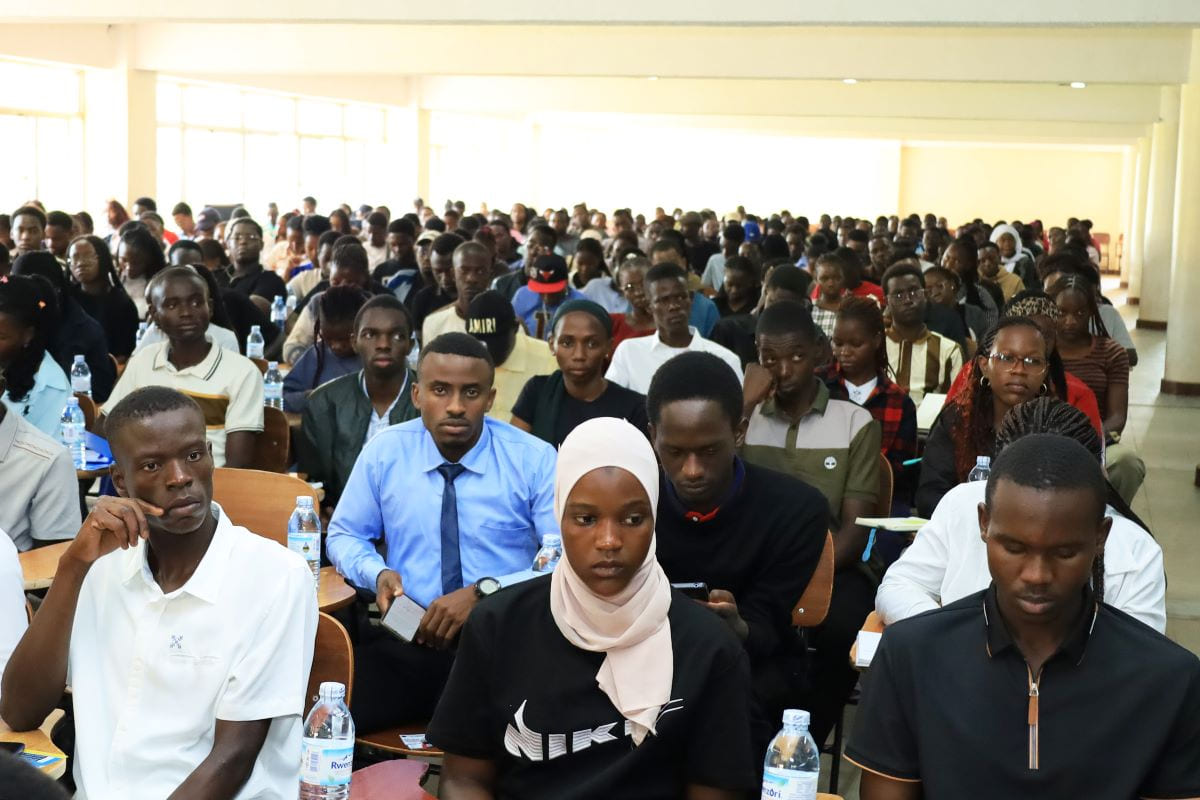
Some of the freshers during the orientation
“Be suspicious of everyone you come across,” she advised. “Don’t give your tuition to someone you’ve just met because they claim they can help you pay it.”
Dr. Kaddu encouraged students to take full advantage of Makerere University’s learning resources, innovation spaces and extracurricular opportunities, saying university education extends beyond earning a degree.
“University education offers much more than providing a degree. It is about developing knowledge, critical thinking, integrity, leadership, innovation and lifelong friendships,” she said.
She further urged the freshers to choose friends wisely, warning that negative peer influence, excessive partying and irresponsible behaviour could jeopardise their education and future careers.
“There is a lot of freedom at the university, but that freedom comes with responsibility,” she said. “The choices you make today will shape the professionals and leaders you become tomorrow.”
Dr. Kaddu also highlighted the importance of mental well-being and resilience, encouraging students to balance academic demands with personal growth while remaining committed to their studies.
She reminded the freshers that under the university’s assessment framework, coursework contributes significantly to final grades, requiring consistent participation in assignments, seminars, fieldwork and other continuous assessments.
“Dream big and stay focused,” she said. “Set clear goals, remain committed and embrace every opportunity to learn and grow.”
Registration is the gateway to becoming a Makerere student
Officials told the students that admission into the university is only the beginning of their journey and that success depends on their commitment to following university procedures and using available support services.
The College Registrar, Ms. Ruth Eteu, reminded freshers that registration is a critical process that officially confirms their status as students of Makerere University.
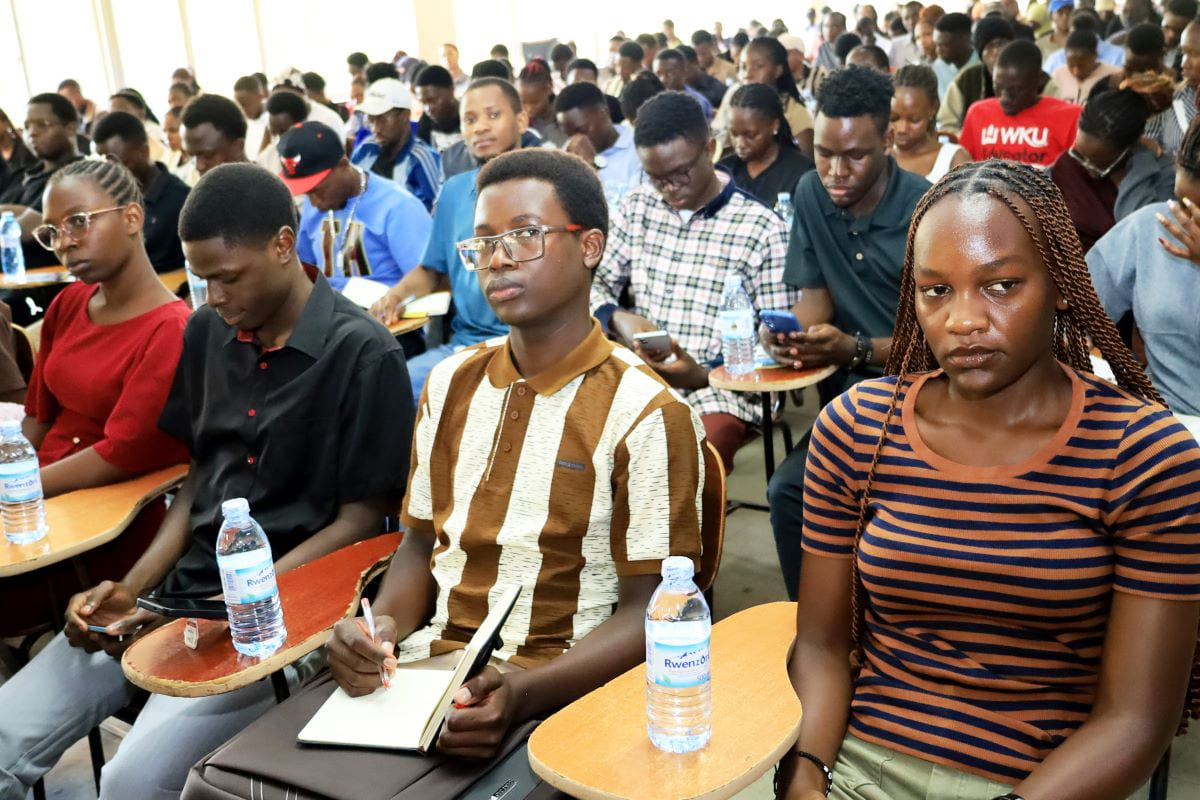
A section of undergraduate freshers during orientation
She explained that although students may have received provisional admission letters, they only become full members of the university after completing registration.
She advised students to submit all required documents within the stipulated period and personally follow up on their registration instead of relying on others to complete the process on their behalf.
Ms. Eteu said the registry offices would remain available to guide students facing challenges, urging them to seek clarification whenever they encounter difficulties.
“Makerere University only serves registered students because they are the ones who are ours.” Ms. Eteu said.
She encouraged students to monitor their student portals after submitting registration documents and to collect their copies of registration forms once their status changes to registered.
According to Ms. Eteu, the registration copy serves as official proof of student status and may be required whenever questions arise concerning a student’s admission.
She cautioned students against abandoning registration and attempting to return in another academic year using the same admission letters, explaining that admission offers are only valid for the academic year indicated.
She also clarified that students cannot withdraw from programmes before registration because withdrawal applies to students who have already acquired official university status.
Ms. Eteu further warned that failure to register could have serious academic consequences, including being considered irregular if found attempting to sit examinations without proper documentation.
Students must personally complete registration
The School Registrar EASLIS, Mr. Mathias Kabuye, encouraged freshers to work closely with the registry offices to complete their registration successfully.
Mr. Kabuye explained that his office, together with the college and school registrars, is responsible for ensuring that admitted students are properly entered into the university system.
He informed students that registration is done physically and personally, warning them against sending representatives because some registration issues require direct verification from the student.
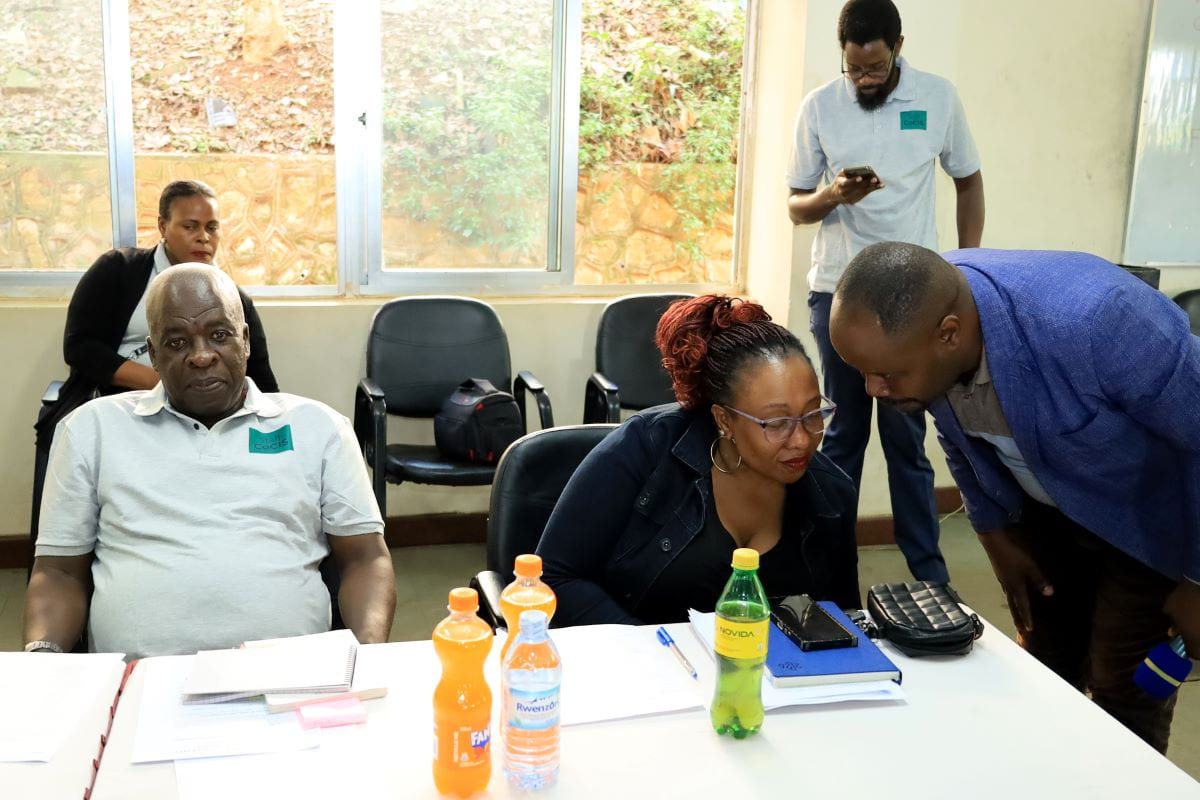
Some of the staff at the college
“If you are not registered, you are simply not a university student.” Kabuye said.
He advised students experiencing unique challenges to visit the registry offices for guidance rather than waiting until problems become complicated.
Mr. Kabuye reminded students that the university provides a limited period within which registration should be completed and encouraged them to use the available time effectively.
He also emphasized the importance of keeping personal registration records, saying students should collect their registration copies after submission because they provide evidence of their official status.
The registrar further explained that the Academic Policies Manual guides university processes and urged students to familiarize themselves with institutional regulations.
He cautioned that students who fail to register and later attempt to participate in university activities, including examinations, risk facing disciplinary action.
Freshers advised to use digital learning tools responsibly
The Deputy Director of the Institute of Open, Distance and E-Learning (IODEL), Dr. Godfrey Mayende, encouraged freshers to embrace digital learning systems and use technology as a tool to improve their academic performance.
Representing the IODEL Director, Professor Paul Birevu Muyinda, who was away on annual leave, Dr. Mayende introduced students to the Institute’s role in supporting online learning and digital academic services.
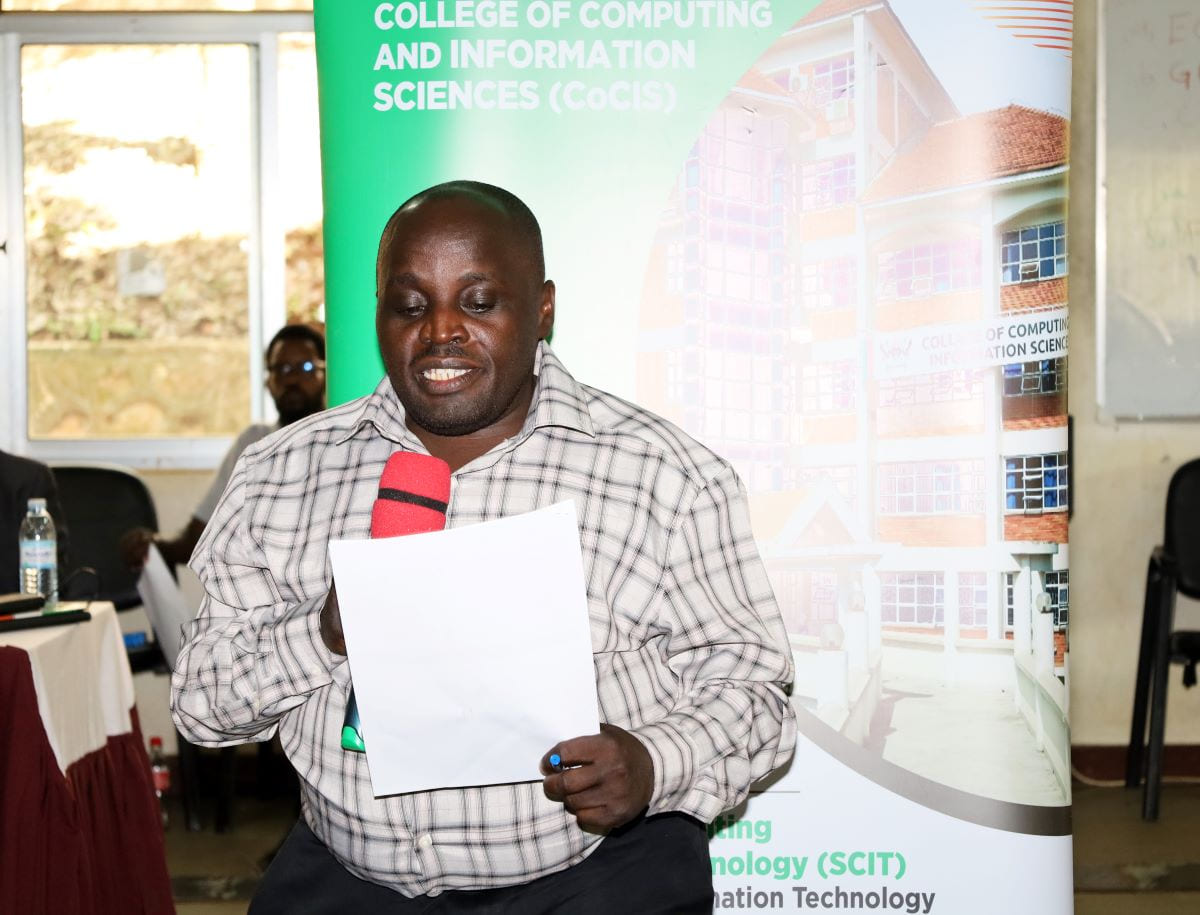
Dr. Godfrey Mayende, from IODeL welcoming freshers to CoCIS during the orientation
He explained that IODEL works with students and staff to improve access to electronic learning platforms, particularly Makerere University Electronic Learning Environment (MUELE).
Students were informed that MUELE provides access to course materials, announcements, assignments, feedback and other academic resources.
Dr. Mayende advised students taking courses supported through the platform to log in regularly, read announcements, participate in discussions and submit assignments before deadlines.
“Use AI wisely, because your reason for coming to the university is to learn.” Dr. Mayende said.
He cautioned students against relying on Artificial Intelligence tools to complete academic work dishonestly, saying such practices could undermine their ability to acquire knowledge and skills.
He encouraged students to use AI responsibly for activities such as understanding concepts, brainstorming ideas, improving writing and summarising notes, while ensuring that their own thinking remains central.
Dr. Mayende also reminded freshers that the first weeks at university can be challenging because students experience new freedoms and meet new people.
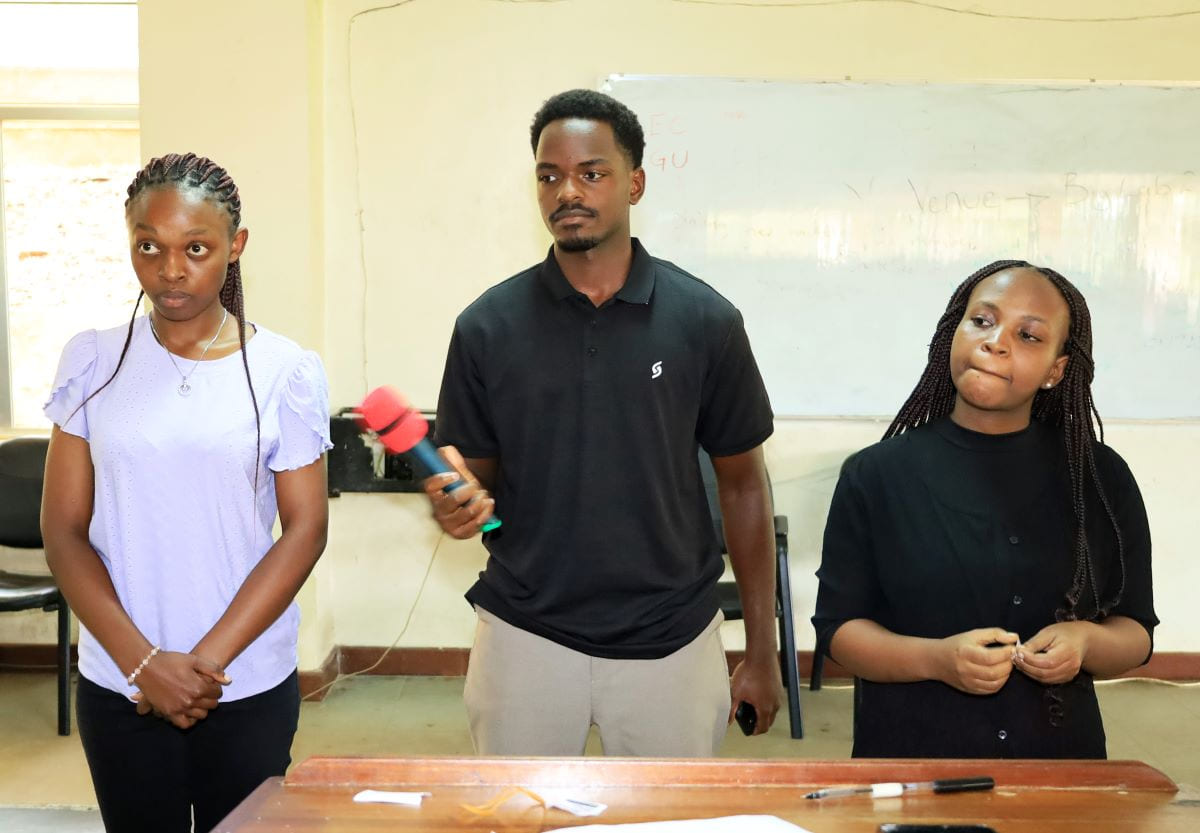
Freshers who won the quiz during orientation
He warned them to be cautious about the people they associate with during this transition period, noting that some individuals around campus may not necessarily be genuine students.
He urged students to remain focused on their academic goals and take advantage of university support systems available to help them succeed.
Freshers encouraged to prioritise mental health
A representative from Makerere University’s Guidance and Counselling Centre encouraged students to pay attention to their emotional wellbeing as they adjust to university life.
The counsellor explained that joining university is a major transition that requires students to understand themselves, make responsible decisions and seek help whenever necessary.

A representative from guidance and conselling advising freshers aboit mental health at campus during orientation
Students were reminded that academic success is closely connected to mental health, as emotional wellbeing affects their ability to think clearly, manage stress and make good choices.
“Mental health helps you to think and feel and act the way you act; it helps you to handle stress and make good choices.” the counsellor said.
The official encouraged students who struggle with adapting to their programmes or university environment to seek counselling support.
Students were also advised to carefully choose friends and relationships, particularly during their first weeks on campus when they are exposed to greater independence.
The counsellor warned that unhealthy relationships, peer pressure and irresponsible decisions could negatively affect students’ academic progress and personal wellbeing.
Students were encouraged not to suffer silently when facing challenges such as academic stress, relationship difficulties or emotional struggles, but instead seek professional support from the university counselling services.
Freshers to take ownership of their university journey
Different college and university officials including registrar, librarians, centre directors , heads of departments, counsellors and student leaders introduced students to academic regulations, university support services and expectations as they begin their studies at Makerere University
The orientation officials emphasized that Makerere University provides numerous systems to support students, but success depends on students taking initiative and responsibility.

Freshers were encouraged to complete registration, understand university policies, actively participate in learning activities, use digital platforms effectively and seek guidance whenever challenges arise.
The officials said the university community is committed to supporting students but urged learners to play their part in ensuring a successful academic experience.
They encouraged the freshers to utilize the university library, sports facilities, health services, counselling and guidance unit, and places of worship to support both their academic success and personal well-being.
Students were urged to seek counselling and guidance whenever they experience academic, social or personal challenges instead of struggling on their own. They were also encouraged to identify mentors among lecturers, administrators and continuing students.
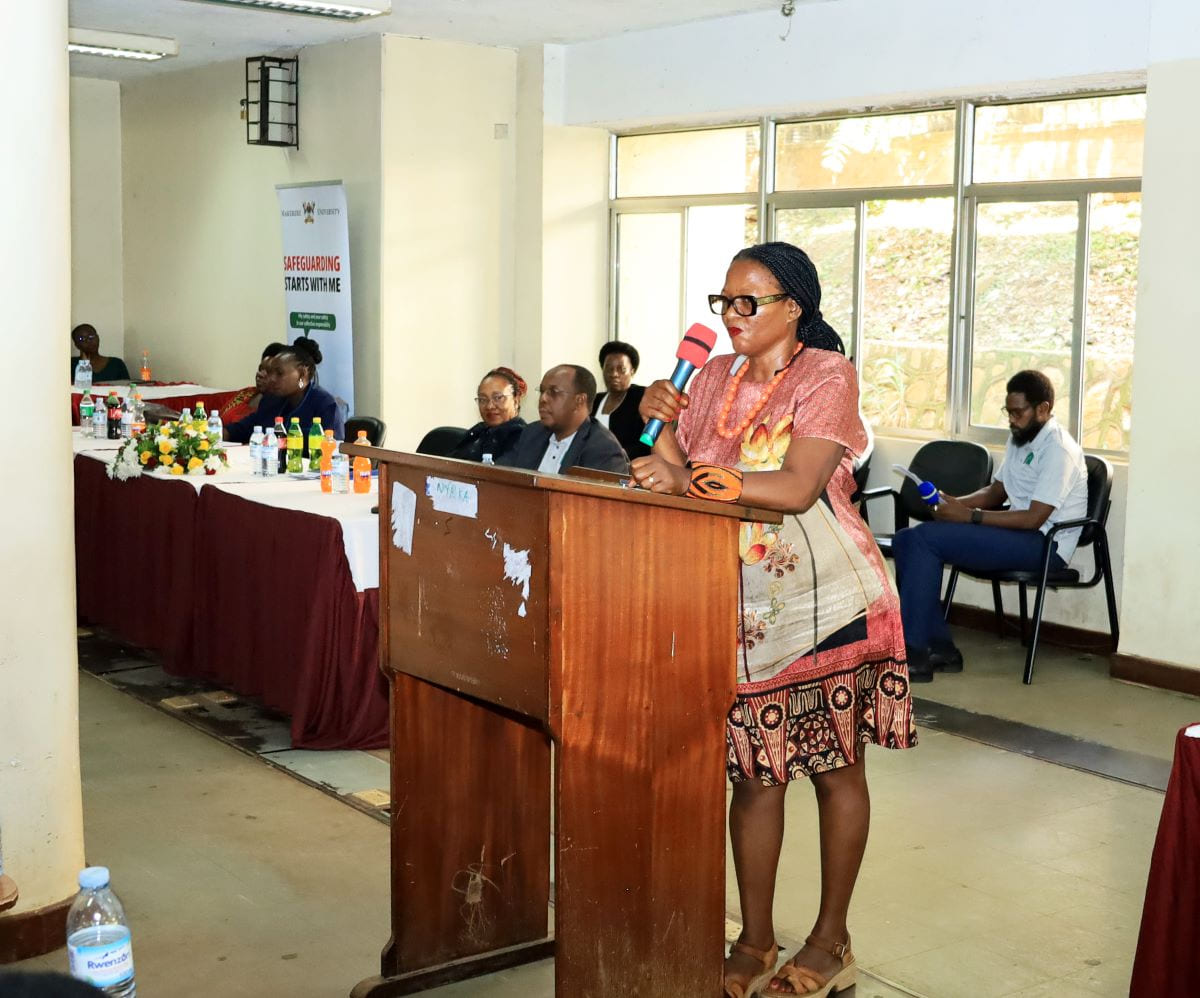
Barbra Nalubega, the Head CIPSD welcoming freshers to the college
The university leadership reminded the freshers to regularly check the online student portal and timetable system for lecture schedules, coursework, tests and examinations, noting that attendance monitoring is being automated and forms an important part of academic participation.
The officials further cautioned students to remain vigilant about their personal security following reported cases of theft and attacks targeting university students. They advised learners to avoid carrying or displaying large amounts of cash and expensive valuables in public, remain cautious when using public transport, especially boda bodas, and stay alert to suspicious individuals and unsafe situations.
Students were also encouraged to take personal responsibility for protecting their property and their lives while living and studying both on and off campus.
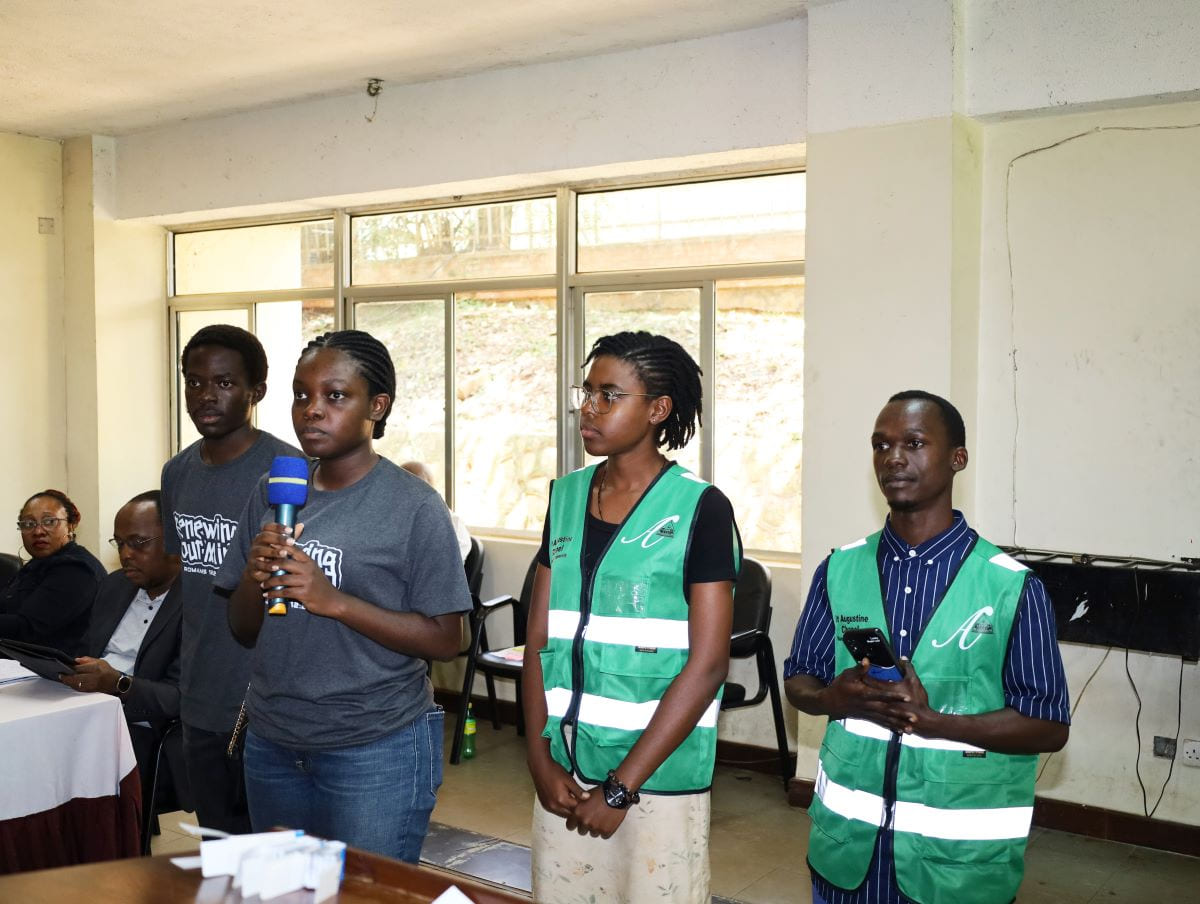
College religious associations leaders welcoming freshers to the college
More importantly they were reminded on their obligation to registered in order to become bonafide students of Makerere University and abiding by the university’s teaching and learning policies, fees payment and examination policies.
As part of the CoCIS orientation culture the students were subjected to an orientation raffle where they were quizzed after speeches and all participants won scholastic package containing a back pack, books, pens and hard disks among others.
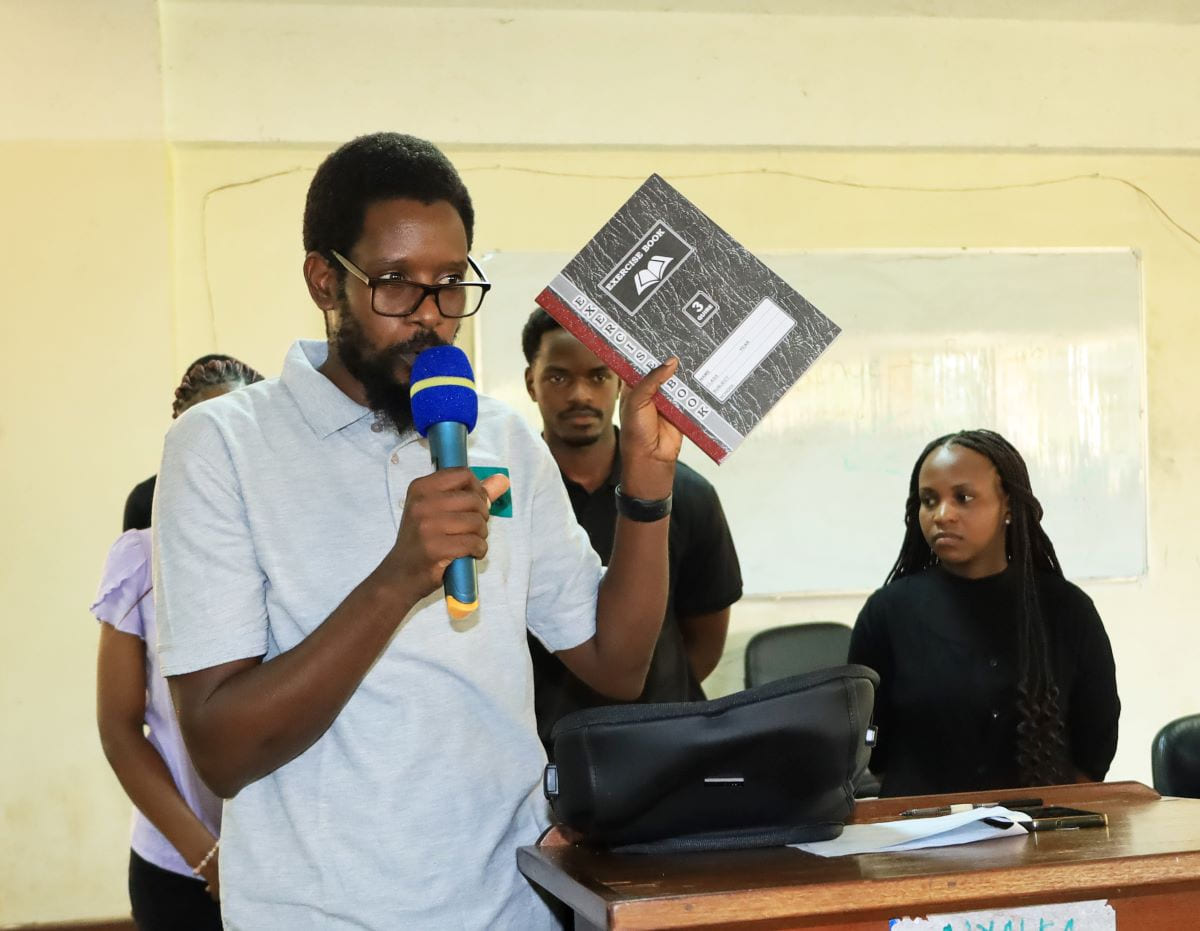
One of the staff at CoCIS showcasing one of the gifts won during the quiz
The orientation concluded with a reminder that making responsible decisions, utilizing available university support services and maintaining personal discipline would contribute to a safe, productive and successful university experience.

Student leaders welcoming freshers during the orientation
Report and Photos by Jane Anyango, Principal Communication Officer