
CoCIS_Admin
- Posted on
Mak- CoCIS to Lead Smart City Innovation and Skills Development under EU-Funded SHAPE Project
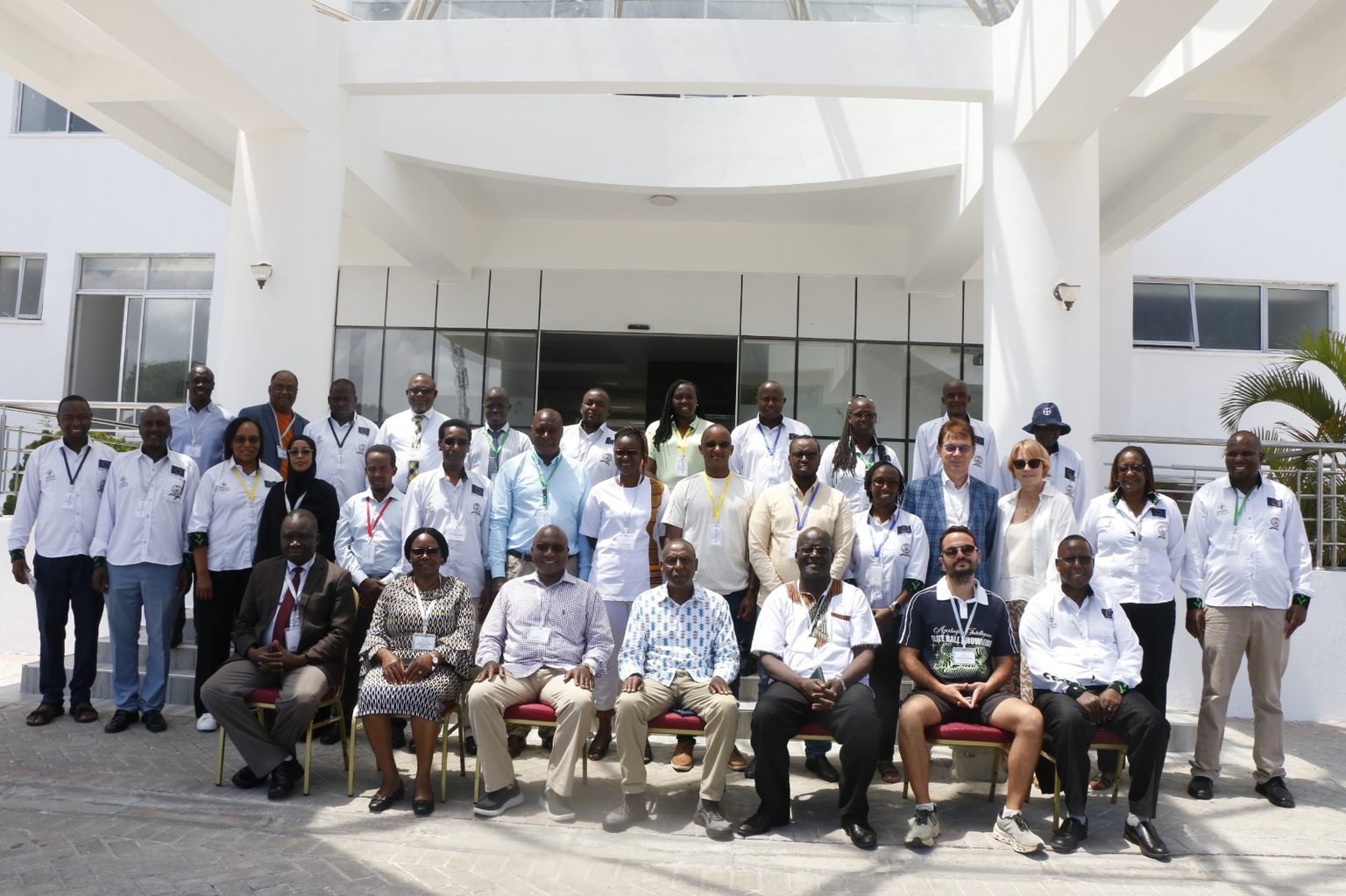
Makerere University’s College of Computing and Information Sciences (CoCIS) will spearhead student-led innovation and the development of practical solutions to urban challenges in East Africa under the European Union-funded Smart City Higher Education Advancement Programme in East Africa (SHAPE).
Through the three-year project, Makerere will lead Work Package 4, which focuses on translating smart city concepts into practical solutions through student hackathons, the establishment of a Smart City Innovation Lab and the launch of the EU–East Africa Smart Cities Alliance.
The initiative is part of a broader effort to strengthen the capacity of African universities to equip young people with the knowledge and skills required to address urban challenges using technology, innovation and data.
Makerere’s participation was represented by Dr. Paddy Asiimwe and Dr. Alex Motil from CoCIS at an international consortium partners’ meeting hosted by Moi University in Mombasa, Kenya, from September 28 to October 2, 2026. The meeting brought together university leaders, researchers and innovation partners from Africa and Europe to agree on the project’s implementation priorities and strategic direction.
Makerere to translate smart city concepts into practical solutions
Explaining the project’s objectives and Makerere’s role, Dr. Alex Motil said SHAPE is a three-year initiative running from June 2026 to May 2029, funded by the European Union under the Erasmus+ programme.
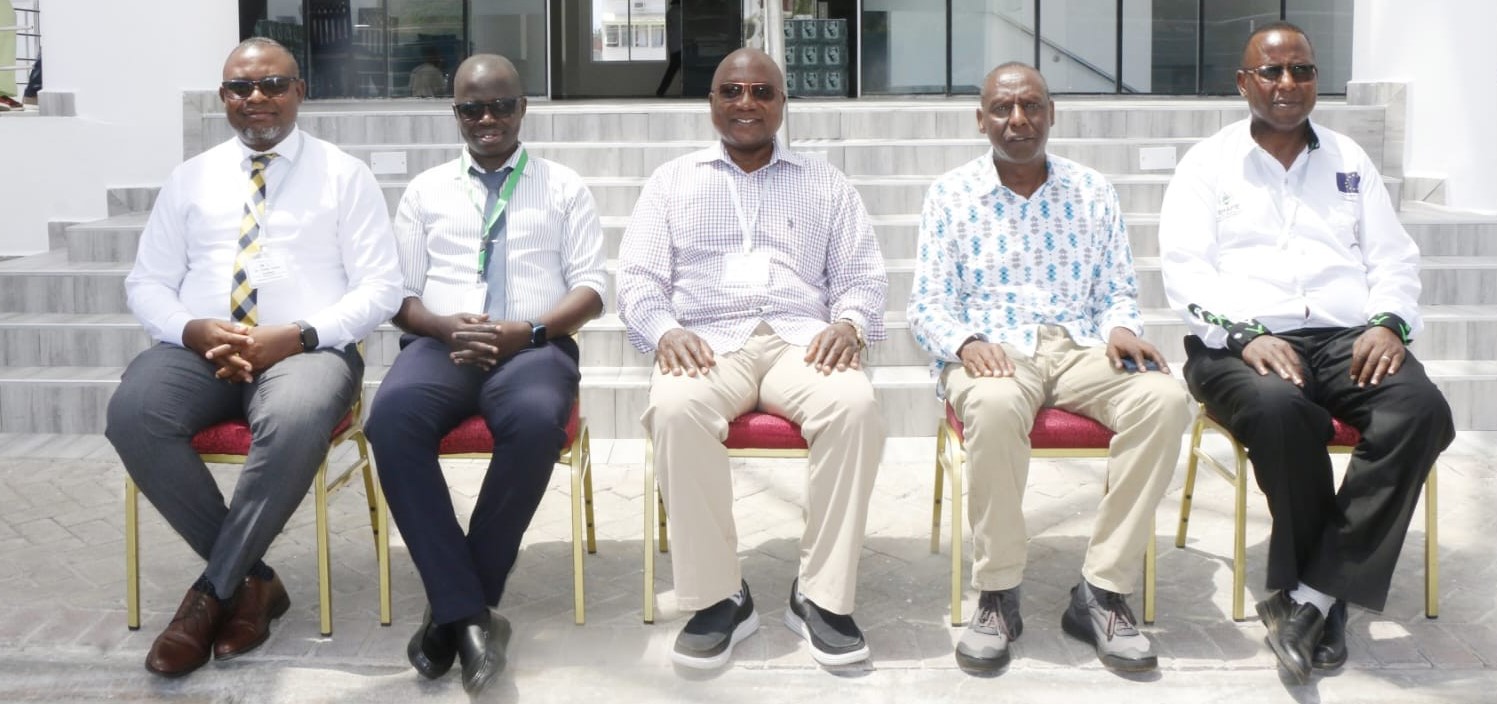
“SHAPE stands for the Smart City Higher Education Advancement Programme in East Africa. It is a three-year project funded by the European Union under Erasmus+. Moi University in Kenya leads it, working with eight other universities in Kenya, Uganda, Somalia, Estonia, Germany and Lithuania,” Dr. Motil explained.
He noted that the project seeks to prepare young people to participate in planning and developing smart cities by applying technology and data to address everyday urban challenges, including transport, energy, healthcare and air quality.
According to Dr. Motil, the project will support universities to introduce new academic courses, train lecturers, establish student innovation laboratories and strengthen collaboration between European and East African higher education institutions.
He emphasised that Makerere’s leadership of Work Package 4 places the University at the centre of efforts to turn the project’s objectives into tangible outcomes.
“Makerere will organise hackathons, which are short events where students team up to build solutions to real city problems. It will set up a smart city innovation lab and help launch the EU–East Africa Smart Cities Alliance,” he said.
Beyond leading Work Package 4, Makerere will contribute to other project activities, including identifying smart city skills needs in Uganda, supporting the development of a course on open data for smart cities and disseminating project outcomes to consortium partners and the European Union.
International consortium charts implementation roadmap
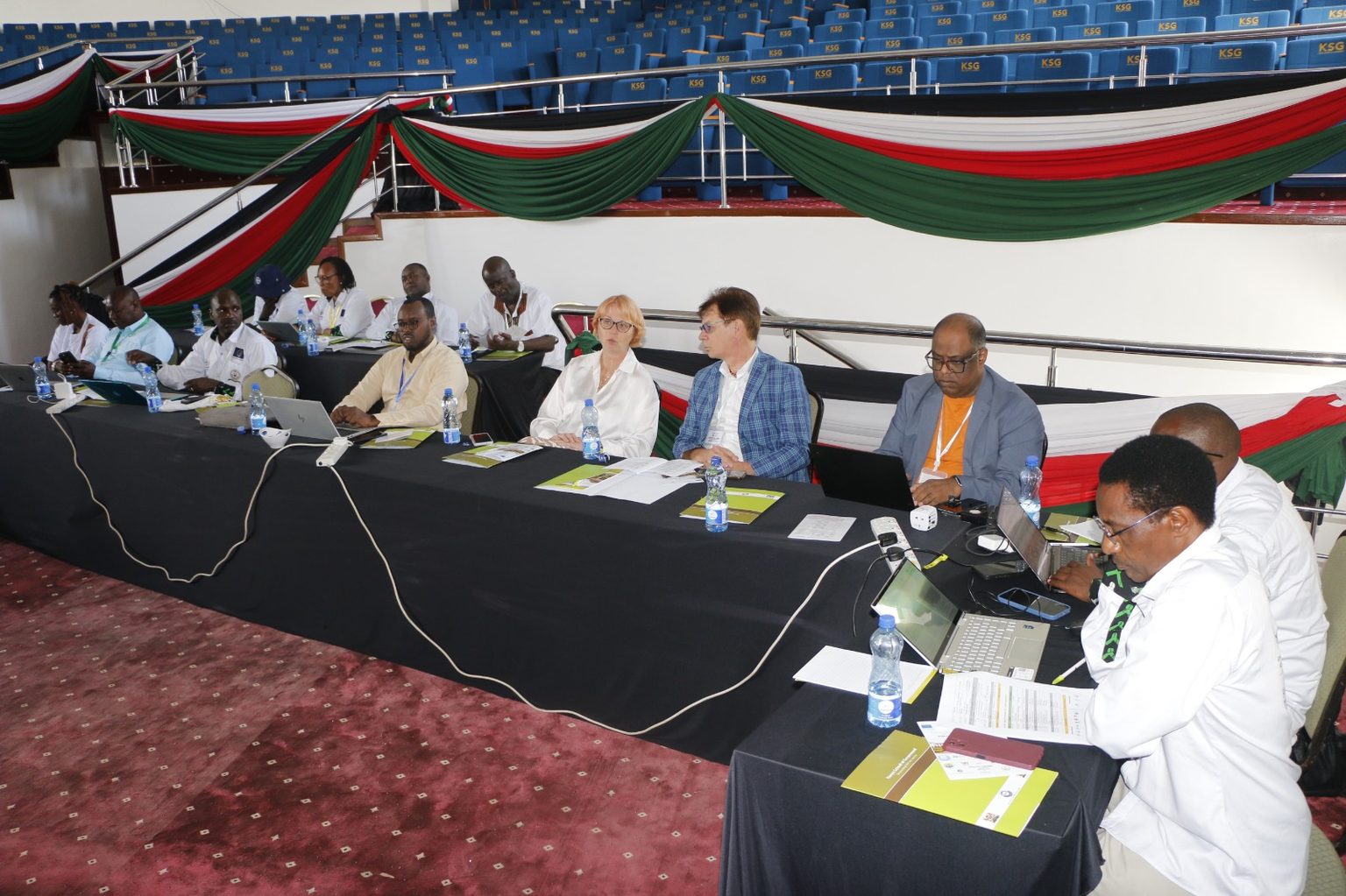
The Mombasa meeting provided a platform for partners to align their institutional responsibilities, launch key work packages and develop a common implementation roadmap.
Hosted by Moi University, the meeting brought together representatives from the Open University of Kenya, Makerere University, the University of Tartu, Mogadishu University, Kampala International University, Red Sea University, Otto von Guericke University Magdeburg, a Lithuanian university and Konza Technopolis.
During the opening session, Project Coordinator Prof. Kirimi Kiriamiti, together with the Vice-Chancellors of Moi University and the Open University of Kenya, welcomed delegates on behalf of the host institutions. University representatives subsequently shared perspectives on the project’s vision, expected impact and strategic direction.
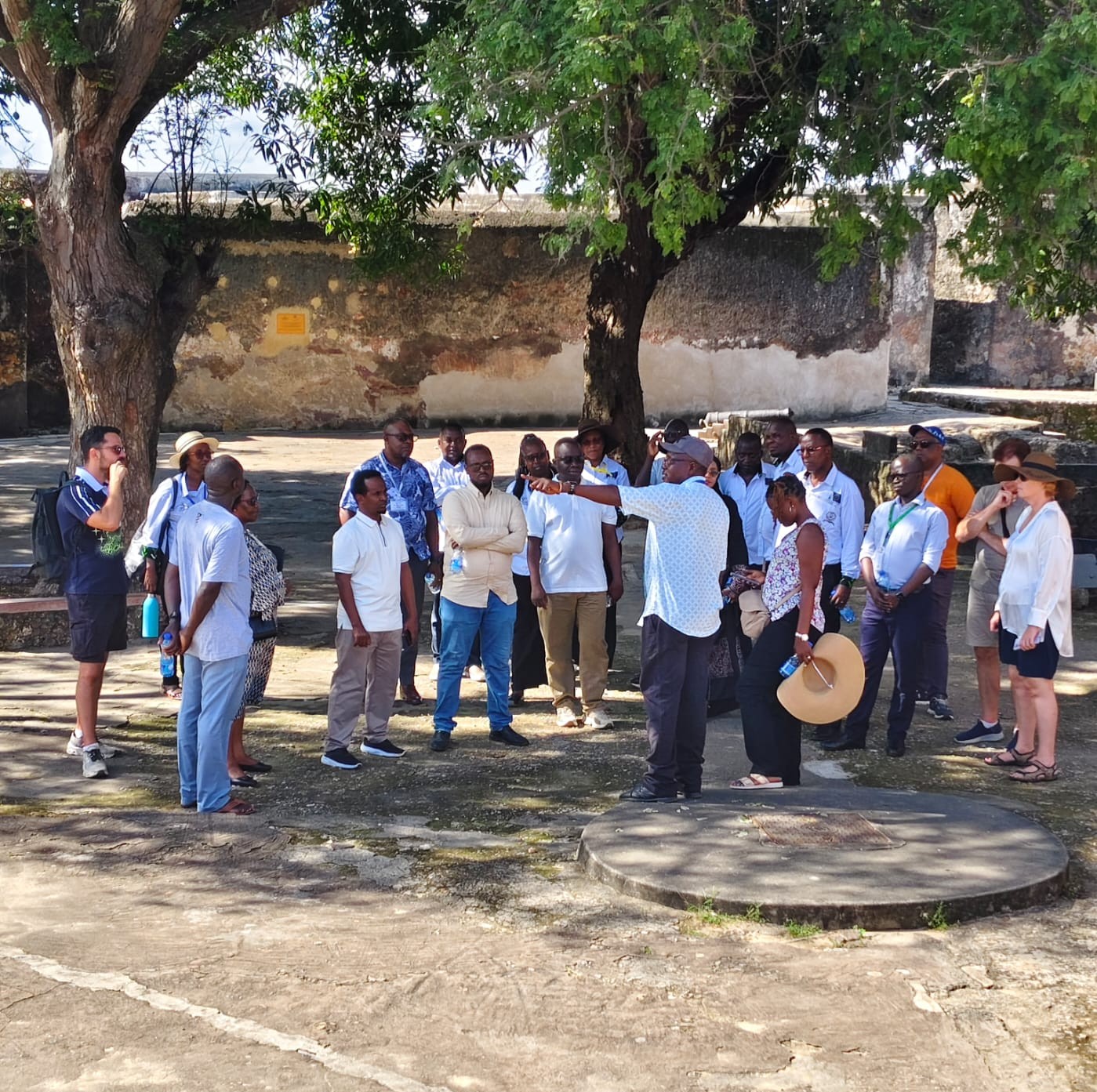
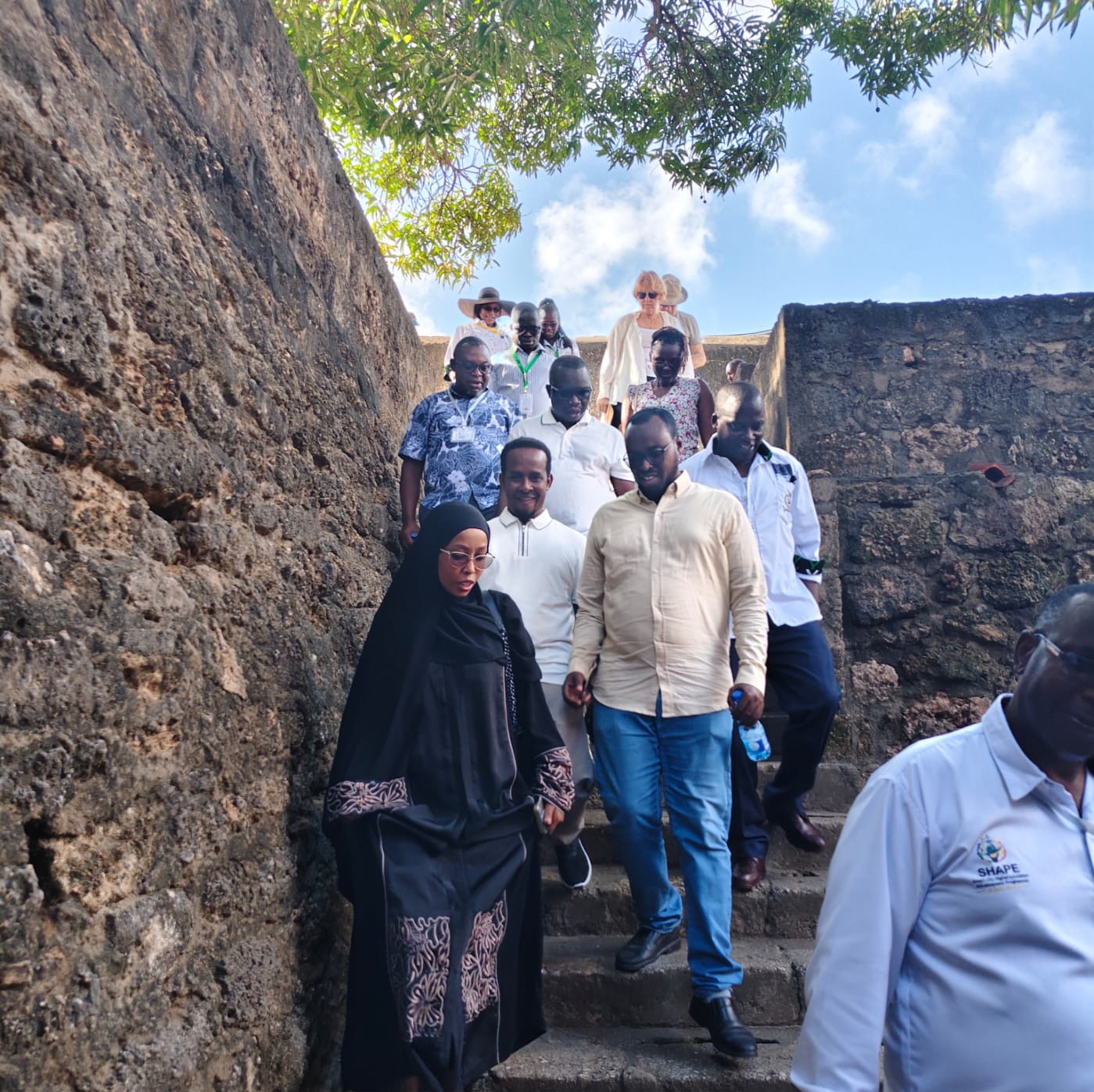
The programme also included visits to Fort Jesus and Mama Ngina Waterfront, providing opportunities for participants to appreciate Mombasa’s historical and coastal heritage while strengthening relationships among consortium partners.
Technical sessions and collaborative workshops formed the core of the meeting, with discussions focusing on advancing smart city education, institutional capacity and cooperation between participating universities.
Through its leadership of Work Package 4 and participation in the wider consortium, Makerere University, through CoCIS, is expected to contribute to strengthening the link between university training, technological innovation and the practical needs of rapidly urbanising communities in East Africa.
For more details on the link below:
